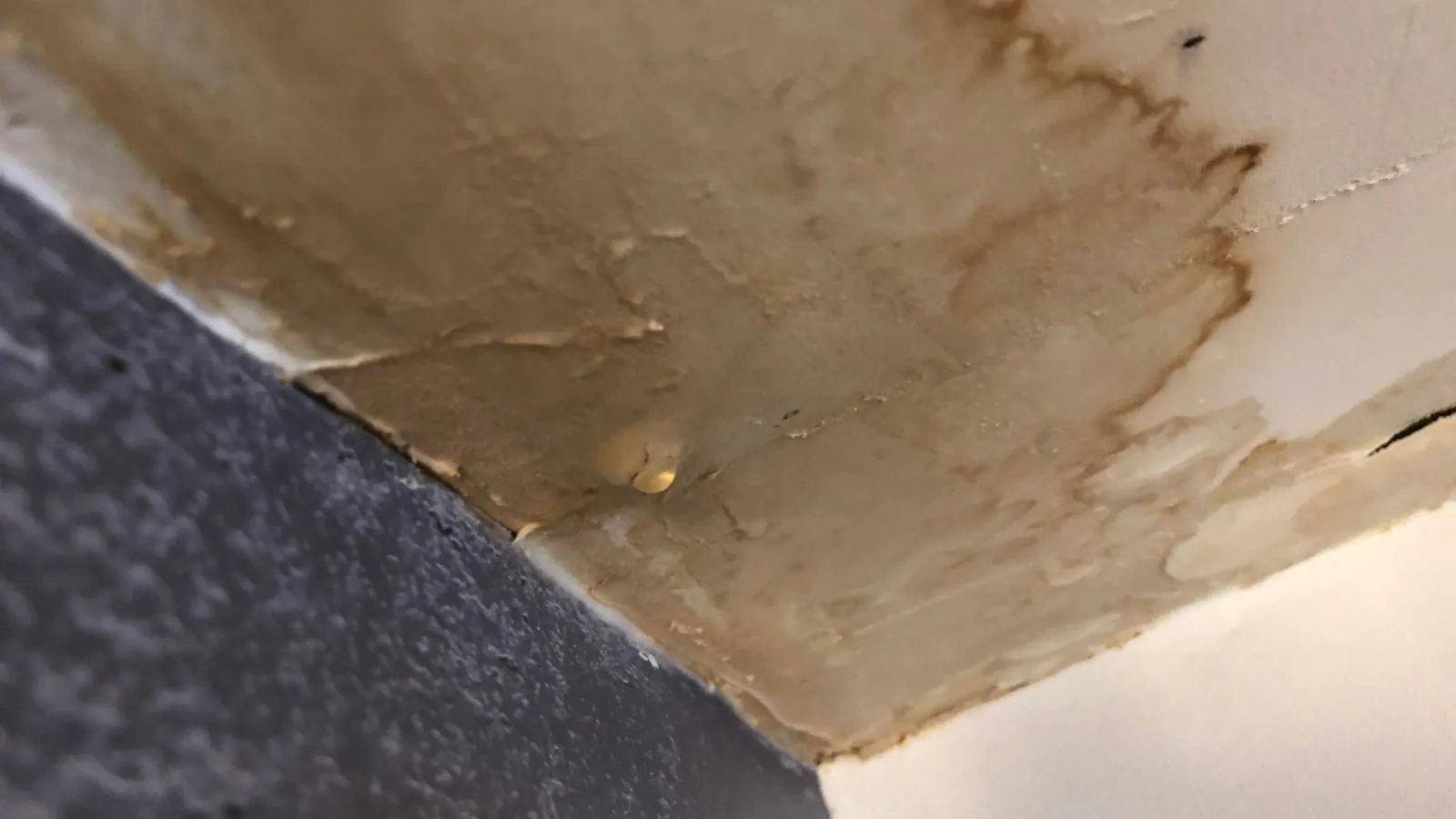
The best water damage claim starts before the first phone call to your insurer. Stop the source if it is safe, photograph everything while it is still wet and keep what is damaged. After that, call your insurer as soon as possible and ask about deadlines in your policy.
This guide walks through the order of steps, based on guidance from the New York Department of Financial Services. It does not predict whether a claim will be approved, and it cannot replace the wording of your own policy.
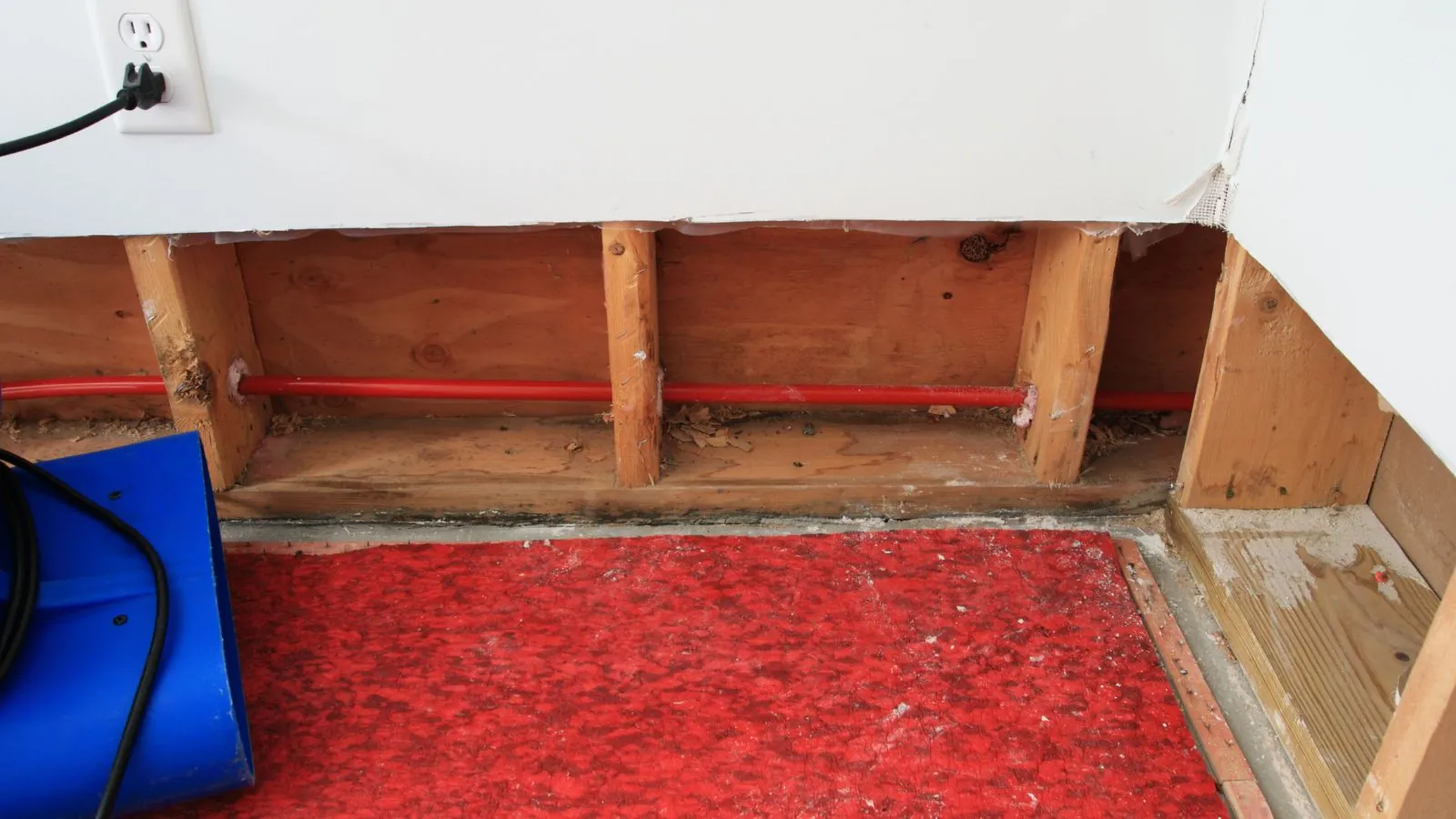
The first hour
- Close the shutoff valve or main if the water is still running.
- Turn off power to wet areas only if you can reach the panel from dry ground.
- Move valuables and small items out of the water.
- Photograph and video the source, the water line on walls and every damaged item.
- Call the 24/7 restoration line if the water is spreading.
The goal of the first hour is to limit damage and record it. Cleanup before photographs is the most common reason a claim has fewer records than it should.
If you see gray or brown water, or the source was a drain, treat it as contaminated and keep out. Photograph from the doorway.
Call your insurer and ask these questions
- What is my deductible for this type of loss.
- Does my policy cover the cause, such as a pipe, appliance or backup.
- Is there a deadline for filing or for submitting documents.
- Do you want an adjuster to inspect before any removal.
- What emergency repairs will you reimburse.
Write down the date, time, name and claim number for each call. The Department of Financial Services advises filing as soon as possible and checking your policy for deadlines.
Ask whether the insurer wants to see removed materials. If so, keep a sample, such as a cut of carpet or drywall, in a bag labeled with the date.
What to keep and what to record
| Record | Why it helps | Tip |
|---|---|---|
| Photos and video before cleanup | Shows the extent of the loss | Wide shots first, then close-ups with a tape measure |
| Moisture readings and drying logs | Shows what was wet and when it dried | Ask the crew for a copy |
| Receipts for emergency work | Supports reimbursement | Keep every invoice and card slip |
| List of damaged contents | Supports a contents claim | Include brand, age and approximate value |
| Plumber or roofer invoice | Shows the cause and repair | Ask the plumber to describe the failure |
Drying records and scope
A restoration crew can provide photos, moisture readings and a written scope of what was removed and dried. Those documents help an adjuster understand what happened. They do not guarantee a payment, and the insurer makes its own decision.
Ask for the final moisture log when the work is complete. See structural drying for what those logs are and water extraction for the first stage of the work.
Water spreading right now?
Guides are for planning. If water is moving, call the 24/7 line first.
Local note: permits and repairs
If the loss leads to rebuilding in the Town of Babylon, the Building Department at (631) 957-3058 can tell you what permits apply. A building permit is required before construction or alteration, and plumbing work goes through the Plumbing Division. Ask your contractor who handles the permit.
Mistakes that slow a claim
- Throwing away damaged items before photographing them.
- Making permanent repairs before the insurer inspects.
- Waiting days to report a loss.
- Not reading the policy exclusions for flood or backup.
- Signing a contract before you understand the scope.
None of these ends a claim by itself, but each makes it harder to show what happened. When in doubt, ask your insurer before acting.
For a loss in Deer Park or Brightwaters, the steps are the same. Local differences are mostly about permits and who handles them.
Common questions
A simple record-keeping routine
Use a single folder, paper or digital, for the claim. Put in it the photos, the claim number, the call log, receipts, the moisture log and any estimates. Add a short note each day describing what was done and by whom.
This routine takes ten minutes and saves hours later. An adjuster who sees a clear timeline can understand the loss without asking you to repeat yourself.
Talking with an adjuster
Be factual and keep to what you know. Describe when you found the water, what you did to stop it and what you have photographed. If you do not know the cause, say so, and let a plumber or roofer explain it.
Ask the adjuster for the next steps in writing. If the insurer asks for something unusual, ask what policy language it relies on.
As soon as possible. The Department of Financial Services advises filing promptly and checking your policy for deadlines.
That is your decision. Public adjusters are licensed in New York, and the Department can confirm a license. Ask about fees before you sign.
Ask for the denial in writing and the policy language they relied on. You can ask for a review and contact the Department of Financial Services.
Your policy and insurer determine what documents are needed. Ask what they require.
Usually yes, since the policy generally expects you to prevent further damage. Photograph first.
The crew documents and explains scope. The claim itself is between you and your insurer.