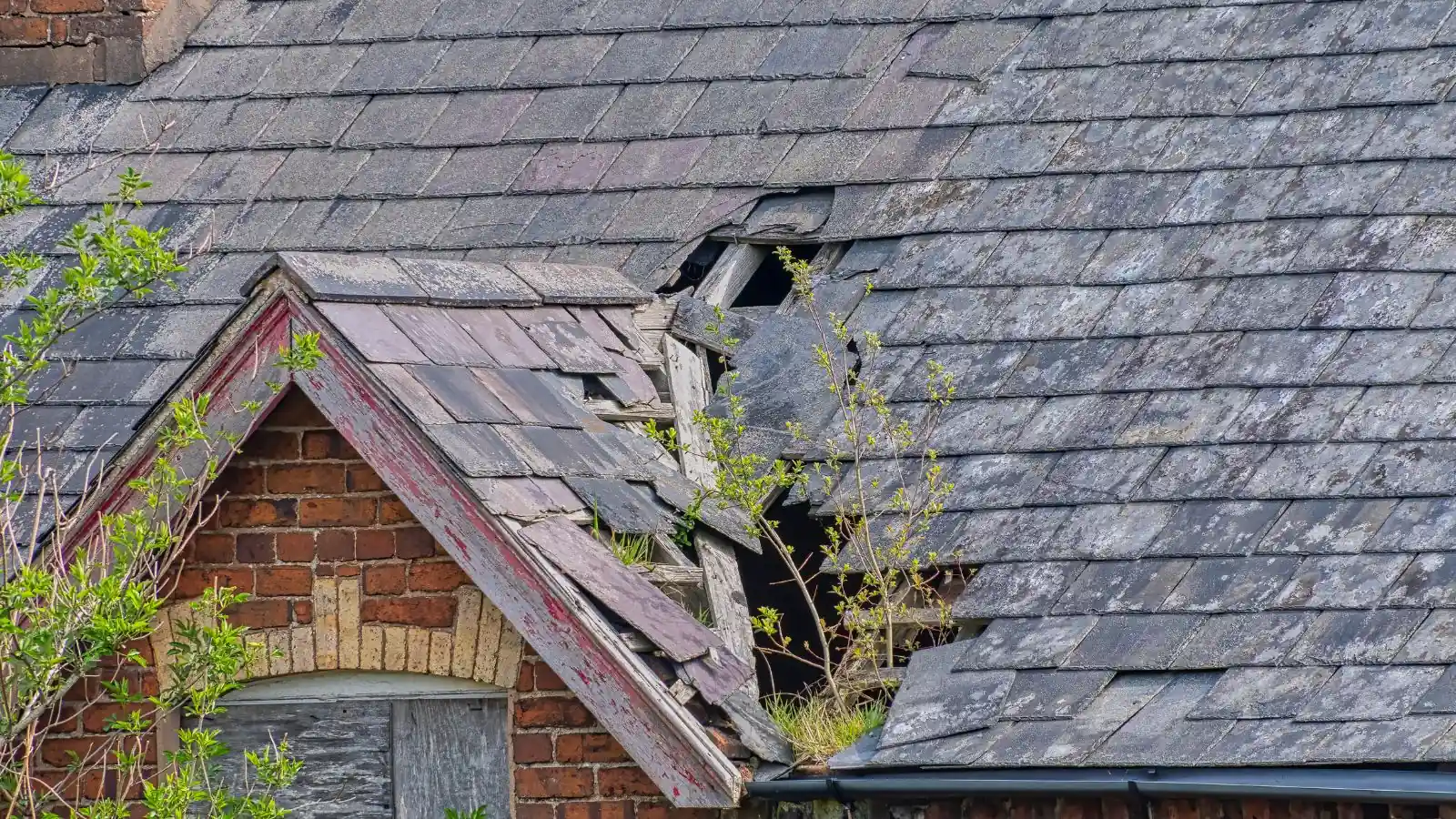
Storm water gets into houses in several ways: through a roof opening, around windows, up through basement floors and walls or back up a storm drain. After a storm, stay clear of downed lines, avoid standing water near electrical equipment and call the 24/7 line once it is safe.
The first priority is stopping more water from entering. That may mean a roofer places a tarp, while the restoration crew extracts water, removes wet material and begins drying.
Storms that have affected this area
The Suffolk County hazard mitigation plan records Hurricane Sandy in October 2012, Tropical Storm Irene in 2011, the February 2013 winter storm with 27.5 inches of snow and an October 22, 2014 flash flood that led to 149 flood claims in the Town of Babylon. It also describes storm drains backing up in heavy rain.
These are history, not forecasts, but they show that wind, snow load and heavy rain have all caused damage here. After any big storm, check the attic, ceilings and basement for new moisture within a day or two.
Where storm water ends up
Roof and attic
Missing shingles or flashing failures let water into insulation and ceilings. See ceiling water damage repair.
Windows and doors
Wind-driven rain pushes past seals and wets walls and floors.
Basement
Heavy rain and groundwater come in through walls, floors or window wells, see basement water damage.
Drains and sewers
Overloaded drains can back up, which is a sewage backup situation.
| Item | Why | How |
|---|---|---|
| Roof damage | Insurers need to see the cause | Photograph from the ground, do not climb a wet roof |
| Interior water | Shows extent of loss | Photograph walls, ceilings and floors before cleanup |
| Damaged contents | Needed for claim | List items and keep damaged ones if possible |
| Temporary repairs | Required to prevent more damage | Keep all receipts |
Water coming in after the storm?
Call now. Dispatch will ask where the water is entering and what is wet.
Cleanup and drying
Crews extract water, remove wet insulation and drywall that cannot dry and place dehumidifiers and air movers. The details follow water extraction and structural drying. If the storm also flooded the house from outside, flood damage restoration applies.
Roof repair is done by a roofer. In the Town of Babylon, a building permit is required before construction or alteration, so ask your contractor whether one is needed. The Building Department is at (631) 957-3058.
Cost factors and insurance
Scope and price are explained before work starts.
Wind-driven rain through a damaged roof is often covered under a homeowners policy, while flood from rising water usually is not, per the New York Department of Financial Services. File as soon as possible, document everything and make only the temporary repairs needed to prevent more damage.
Common questions
Before the next storm
Simple steps reduce storm damage. Clear gutters and downspouts, check roof flashing and shingles after wind events, test the sump pump and keep valuables off the basement floor. The Town of Babylon and Suffolk County publish emergency guidance, and signing up for local alerts helps.
None of these steps guarantees a dry house, but each lowers the odds that a storm turns into a restoration job. They are worth doing before the season starts.
Power outages and safety
Storm outages bring their own risks. Never run a generator indoors or in an attached garage, and keep it away from windows. If water has reached outlets or the panel, wait for an electrician to check the system before restoring power.
Call the electric utility for downed lines and stay far away from them. Water and electricity make flooded basements especially dangerous.
Storm water and drainage near Belmont Lake State Park are covered on the Belmont Lake area page.
Yes. Storms do not follow business hours. Dispatch is staffed overnight, and a same-day response is offered when a crew is free, without a promised arrival time.
Document first, make temporary repairs and ask your insurer before permanent work. Do not wait if water is still coming in.
A roofer does. The restoration crew handles the interior.
Be careful with generators, never run them indoors, and avoid water near electrical equipment.
Flood damage is generally excluded from standard homeowners policies. Ask your insurer about flood coverage and backup endorsements.
Yes. See Babylon and Brightwaters.