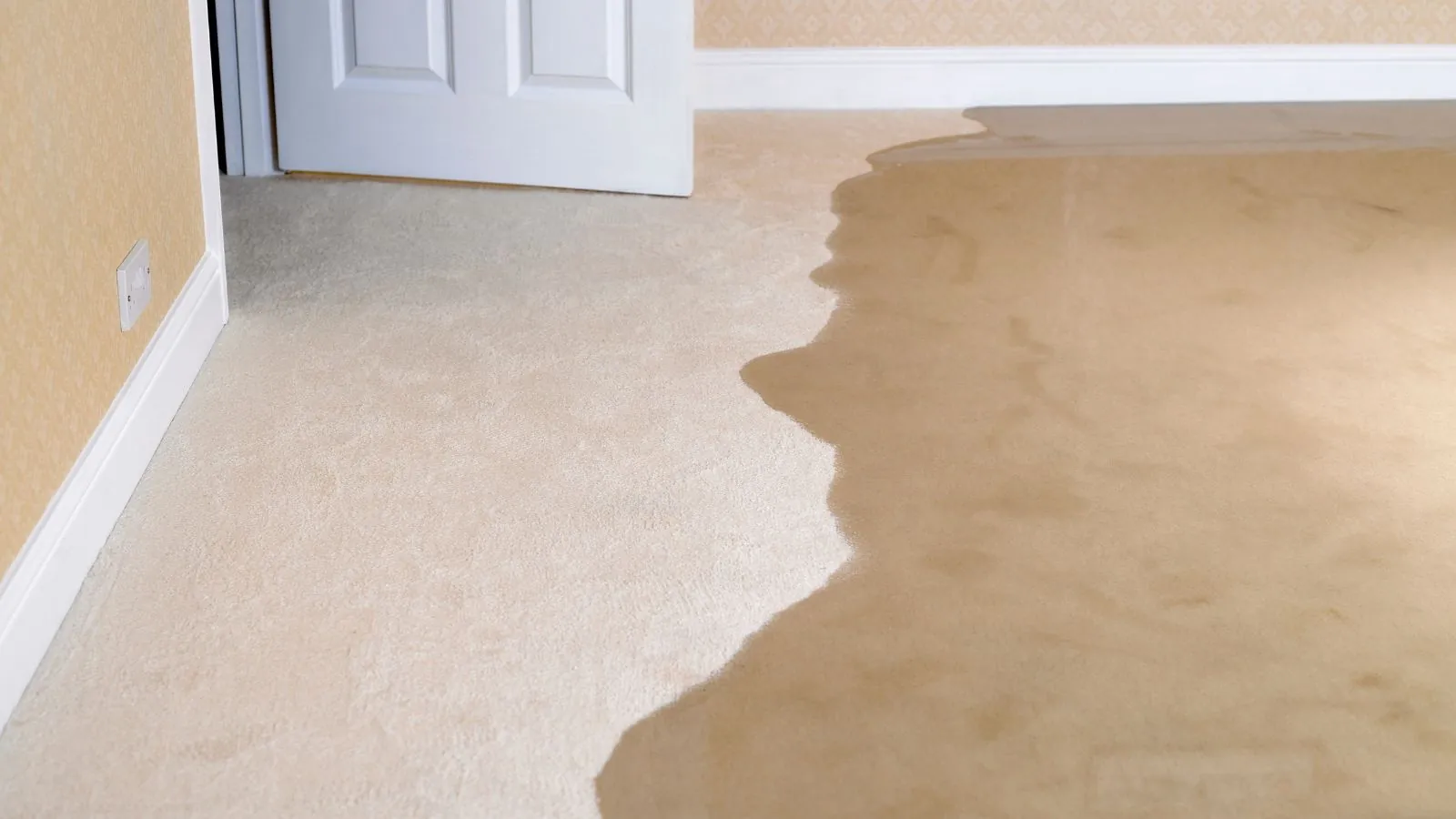
Wet carpet is a common result of leaks, appliance failures, storms and backups. Whether it can be saved depends on three things: what kind of water it is, how long it was wet and how thick the padding is. Clean water extracted within a day often allows drying in place, while contaminated water or a long soak means removal.
If your carpet is wet, stop the source, lift furniture off the floor and call. Photograph the damage before anyone cuts or removes anything.
Water category decides everything
| Category | Examples | Carpet outcome |
|---|---|---|
| Category 1 (clean) | Supply line, fresh rainwater | Often dried in place if caught early |
| Category 2 (gray) | Washing machine or dishwasher overflow | Carpet may be cleaned, pad usually removed |
| Category 3 (contaminated) | Sewage, floodwater from outside | Carpet and pad discarded |
| Long-standing water | Any category after days | Higher chance of removal and mold concerns |
The categories come from the industry standard ANSI/IICRC S500, which classifies water by contamination level. Ask any company whether its crews work to that standard.
Even clean water becomes more contaminated as it sits, which is another reason speed matters. Clean water that sits can pick up bacteria from the floor and the pad.
What the crew does with wet carpet
- Extract water with weighted wands that pull water up through the carpet and pad.
- Lift the carpet at a corner and check the pad and subfloor with a moisture meter.
- Remove the pad if it is saturated or contaminated, since it dries slowly and holds water.
- Dry the carpet and subfloor with air movers and dehumidifiers.
- Replace the pad and re-stretch the carpet, or replace both if the damage is too severe.
Carpet squelching underfoot?
Call. Dispatch can explain what to do before the crew arrives.
Carpet in basements and over slabs
Basement carpet is often glued or tacked over concrete and may sit on a thin pad. Moisture from below can wick into the carpet from the slab, so the slab is checked as part of the job. Water in a basement is addressed in basement water damage cleanup.
Carpet that has sat in floodwater for days is generally discarded. The risk of contamination and mold is higher in warm, humid conditions.
What changes the cost
Scope and price are explained before work starts.
Insurance often covers carpet damage from a sudden leak and may not cover damage from flood. Photograph the carpet and pad before removal, keep a sample of the carpet if the insurer wants it and save receipts.
Common questions
Carpet types and how they react
Synthetic carpet fibers such as nylon and polyester do not absorb much water themselves, so the water ends up in the backing and the pad. Wool and other natural fibers hold more water and can shrink or stain. The construction matters as well, since glued-down commercial carpet behaves differently from stretched residential carpet.
A crew can usually tell what you have by lifting a corner. That quick check also shows whether the tack strip has rusted and whether the pad is foam, rebond or fiber.
Odor, stains and what to expect afterward
Carpet that was wet for a long time can keep a musty smell even after it feels dry, which usually means the pad or subfloor is still damp. Stains from contaminated water may not clean out. If the smell persists after drying, the honest answer is often that the pad or carpet needs to be replaced.
Ask the crew for moisture readings of the subfloor before the carpet is put back. A dry reading at that stage is the best protection against a smell returning a month later.
Yes, if the water was clean, extracted quickly and the pad can be dried or replaced.
Pad acts like a sponge and dries slowly. It is cheaper to replace than to dry.
As soon as possible. Carpet left wet for more than a day or two is more likely to need replacement.
Cleaning addresses surface soil. It does not dry the pad or subfloor.
If water is still spreading or came from sewage or flood, yes. Otherwise call as soon as you can.