Drywall is gypsum between paper faces, and it absorbs water quickly. A wall that was wet briefly with clean water may dry in place if airflow and dehumidification start fast. A wall that stayed wet for days, or that took contaminated water, usually has to be cut out and replaced.
The decision is made with a moisture meter, not by eye. A wall can look dry while the bottom plate, insulation and back face of the board are still wet.
Signs a wall is wet or damaged
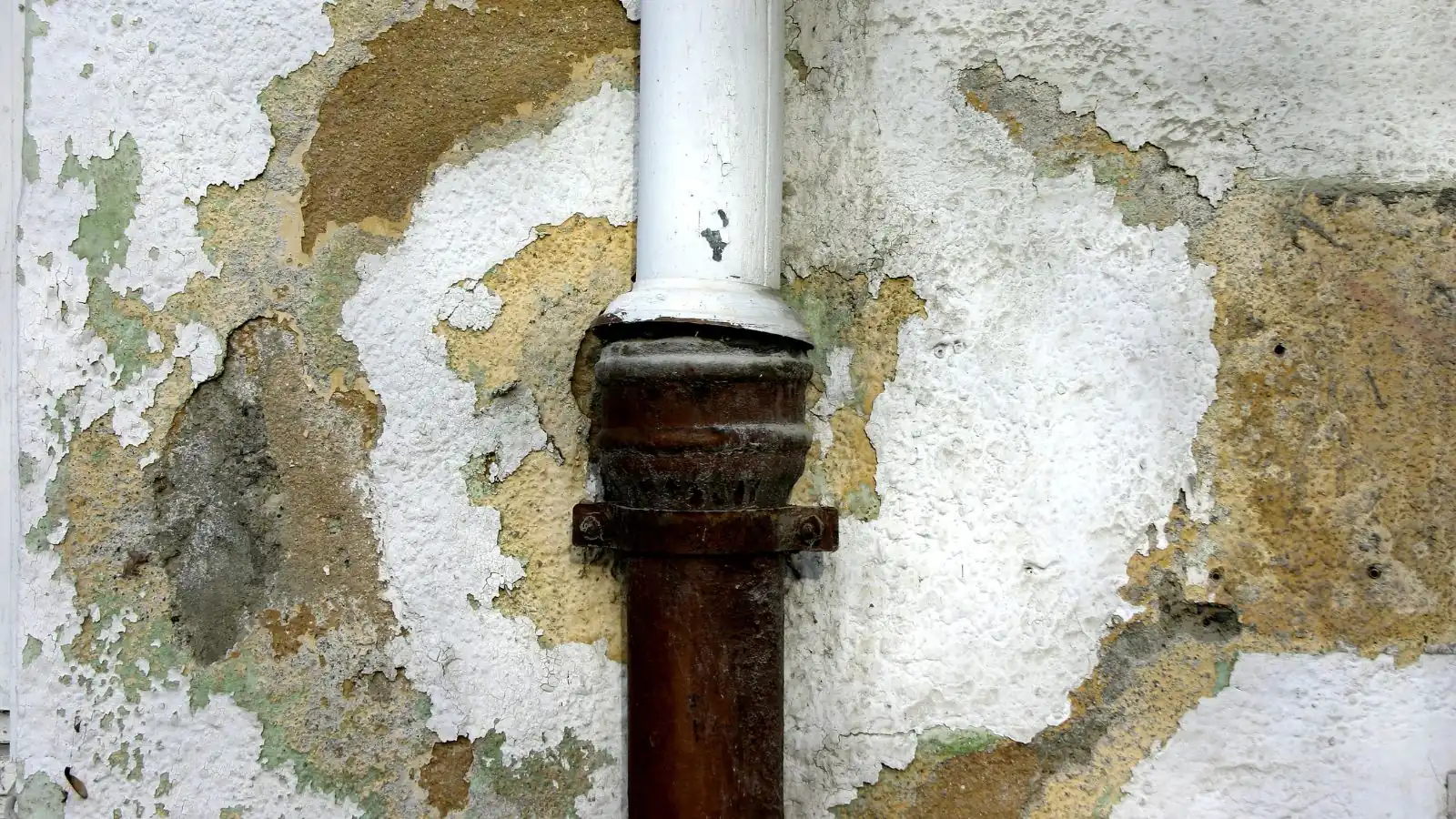
Bubbling or peeling paint
Water moved through the wall and pushed paint away from the surface.
Soft or crumbling board
The gypsum has absorbed water and lost strength.
Stains or tide lines
Water has traveled up the wall and left minerals behind.
Musty smell near the wall
Moisture is trapped in the cavity or insulation.
Dry in place or cut it out?
Clean water that is removed quickly often allows drywall to be dried with air movers and dehumidifiers, sometimes with small holes drilled to move air into the cavity. Gray or contaminated water means the board and insulation are generally removed. Time matters too, since materials left wet for more than a couple of days are more likely to need replacement.
Insulation is almost always removed if it is wet, because fiberglass holds water against the wall and does not dry well in a closed cavity. Replacing it after the cavity is dry is part of the repair.
| Condition | Usual outcome | Why |
|---|---|---|
| Brief clean-water wetting, caught early | Dry in place | Board has not lost strength |
| Wet for days, clean water | Often cut out lower section | Insulation and bottom plate stay wet |
| Gray or sewage water | Remove and replace | Porous materials are discarded |
| Bubbling paint, soft board | Remove affected panel | Structural integrity of the board is gone |
Wall soaked after a leak?
Call and ask for a moisture reading before anything is closed up.
What the repair process includes
- Find and stop the source, such as a pipe, roof or window leak.
- Measure moisture and mark the wet area.
- Remove wet board and insulation, usually 2 feet above the wet line or per readings.
- Dry the cavity and framing until readings are normal.
- Install new board, tape, texture, prime and paint to match.
Walls are often damaged alongside ceilings and floors. See ceiling water damage repair if water came from above, and structural drying for the drying process behind the repair.
Matching texture and paint takes skill, and a good result depends on the walls being completely dry before closing them up. Rushing this step is how stains and bubbles return.
What changes the cost
Scope and price are explained before work starts.
Sudden water from a pipe or appliance failure is often covered under homeowners insurance, while gradual leaks often are not. Check your policy, photograph the wall before cutting and keep receipts for any temporary repairs.
Common questions
Plaster, paneling and older walls
Not every wall is drywall. Older houses may have plaster over lath, which can handle some wetting but cracks, stains and loses adhesion when saturated. Paneling and wallpaper add layers that trap moisture. A crew checks what the wall is made of before choosing a method.
If your house has older walls, tell the crew. Plaster repair takes different skills and materials than drywall.
Paint, primer and finish
After the new board is in, a stain-blocking primer helps prevent old marks from bleeding through. A full-wall repaint often looks better than a spot paint, especially in a room with aged paint. Ask for a sample before the whole wall is painted.
Allow time for paint and compound to cure before hanging pictures or moving furniture back. Paint applied too soon can peel or mark.
- Turn off power to wet areas only if you can reach the panel from dry ground.
- Do not touch wet electrical equipment, and call 911 or the utility for any electrical or gas risk.
- Keep children and pets out of the area, and photograph the damage before you clean.
Only after the source is fixed and the wall is dry. Paint over damp drywall will bubble or stain again.
It depends on how high the water traveled. Crews usually cut above the wet line or according to moisture readings.
A good finisher can match texture and paint, though an exact match across a whole wall can need repainting the full wall.
If the wall stays wet, mold can grow. See mold remediation if you see or smell growth.
If water is still entering or the board is sagging, yes. A dry, stained wall can usually be scheduled.
Yes. See Brightwaters and Babylon.