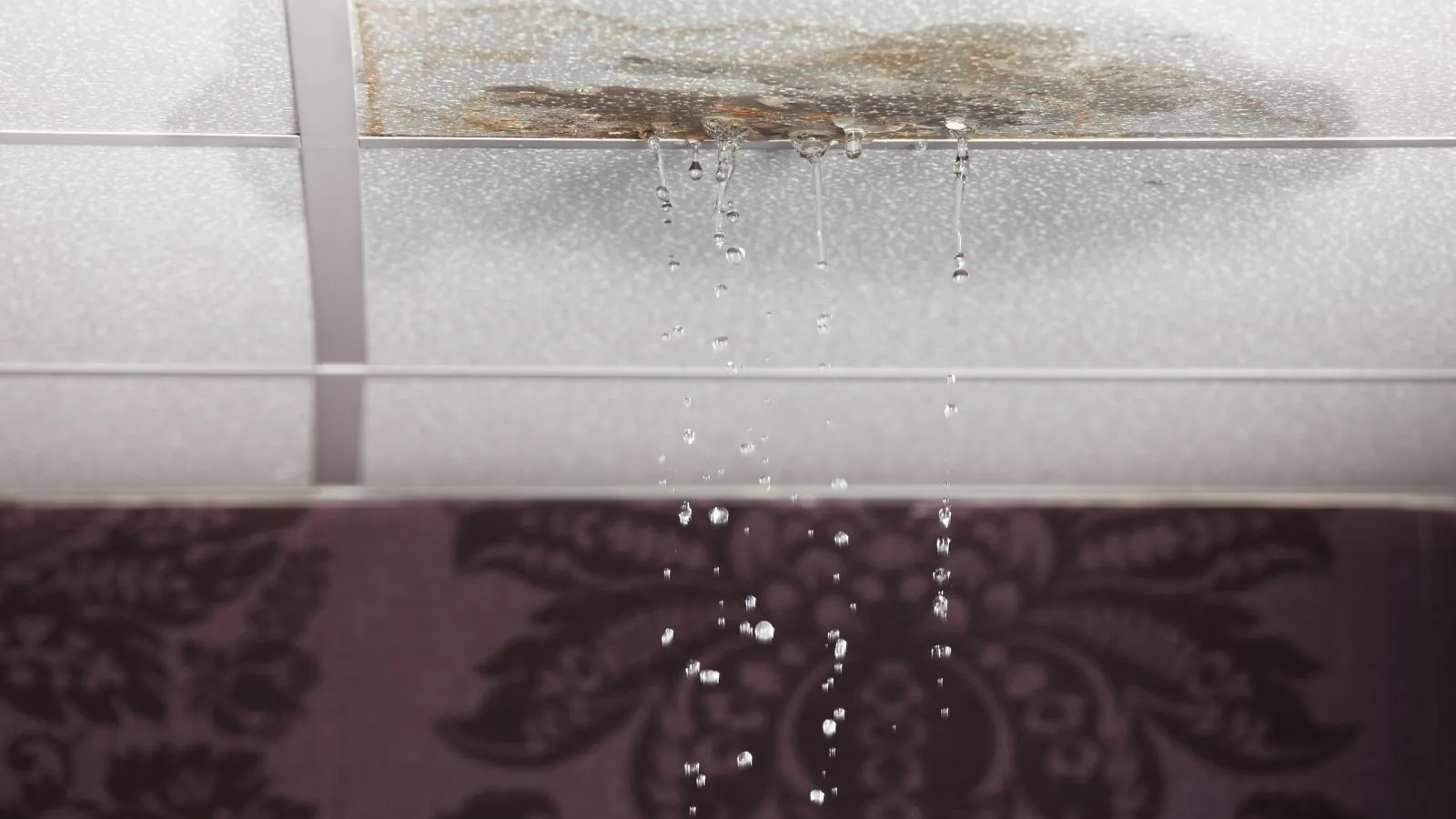
A water loss in a commercial building is a business problem as much as a building problem. Inventory is at risk, staff and customers cannot use the space and rent or payroll continues. If water is spreading through your shop, office or warehouse, shut off the source if you can, move inventory and records up off the floor and call the 24/7 line.
North Babylon has commercial corridors along Deer Park Avenue and nearby roads, and the surrounding area includes small retail, offices and light industrial buildings. The same water categories and drying principles apply, but the scale and the paperwork differ.
Emergency commercial situations
- A sprinkler discharge, burst line or roof leak is wetting inventory or equipment.
- Sewage or drain backup in a restroom, kitchen or floor drain.
- Standing water near electrical panels, server racks or machinery.
- A tenant above or beside you has a leak that has reached your space.
What a commercial response involves
The crew assesses safety, finds the source and works with the building owner or manager on access, tenants and hours. Extraction and drying equipment is sized to the space, and work can be staged so that part of the business keeps operating. Photos, moisture logs and a written scope support the insurance claim.
Large open floors, suspended ceilings and slab construction dry differently from houses. Carpet tiles, vinyl and sealed concrete are common, and each has its own handling.
| Factor | Commercial | Why it matters |
|---|---|---|
| Size | Larger open areas, multiple tenants | More equipment and coordination |
| Hours | Work may need to happen overnight or on weekends | Keeps the business open where possible |
| Documentation | Detailed moisture logs and scope | Supports insurance and lease questions |
| Materials | Carpet tile, drop ceilings, commercial drywall | Different removal and drying approaches |
Business flooding?
Call now. Dispatch will ask about the source, the area and any inventory at risk.
Related services for commercial losses
Most commercial calls begin with extraction, followed by structural drying. If the cause was a storm that damaged the roof, storm water damage cleanup covers that side. For floors that need restoration afterward, see carpet water damage.
The Town of Babylon Building Department at (631) 957-3058 is the contact for building permits, and tenants should check their lease for notice requirements. Landlords often need to be told quickly in writing.
What changes the price of a commercial job
Scope and price are explained before work starts.
Commercial property policies and business interruption coverage vary widely. Read your policy, call your insurer and agent promptly, and keep photos, invoices and a log of lost time. A landlord and tenant may each have responsibility depending on the lease.
Common questions
Planning before a loss happens
Business owners can reduce downtime by knowing where the main shutoff is, who has the key and where critical records and equipment sit relative to the floor. A short written plan helps staff act in the first minutes. It should list the shutoff location, the utility numbers and the restoration dispatch number.
Landlords and tenants should also agree who calls whom after a loss. Check your lease and your insurance policy so the first calls are the right ones.
Shops, restaurants and offices along the main commercial strip are covered on the Deer Park Avenue corridor page.
Yes. Dispatch answers all night and on weekends. Same-day response is offered when a crew is available, and no arrival time is promised.
Often yes. Crews can stage work overnight or section off areas, depending on the building and the loss.
Crews can help move and protect items, though inventory valuation and replacement are for you and your insurer.
Photos, moisture readings and a written scope, which support an insurance claim.
That depends on the lease and the cause. Check your lease and ask your insurer.