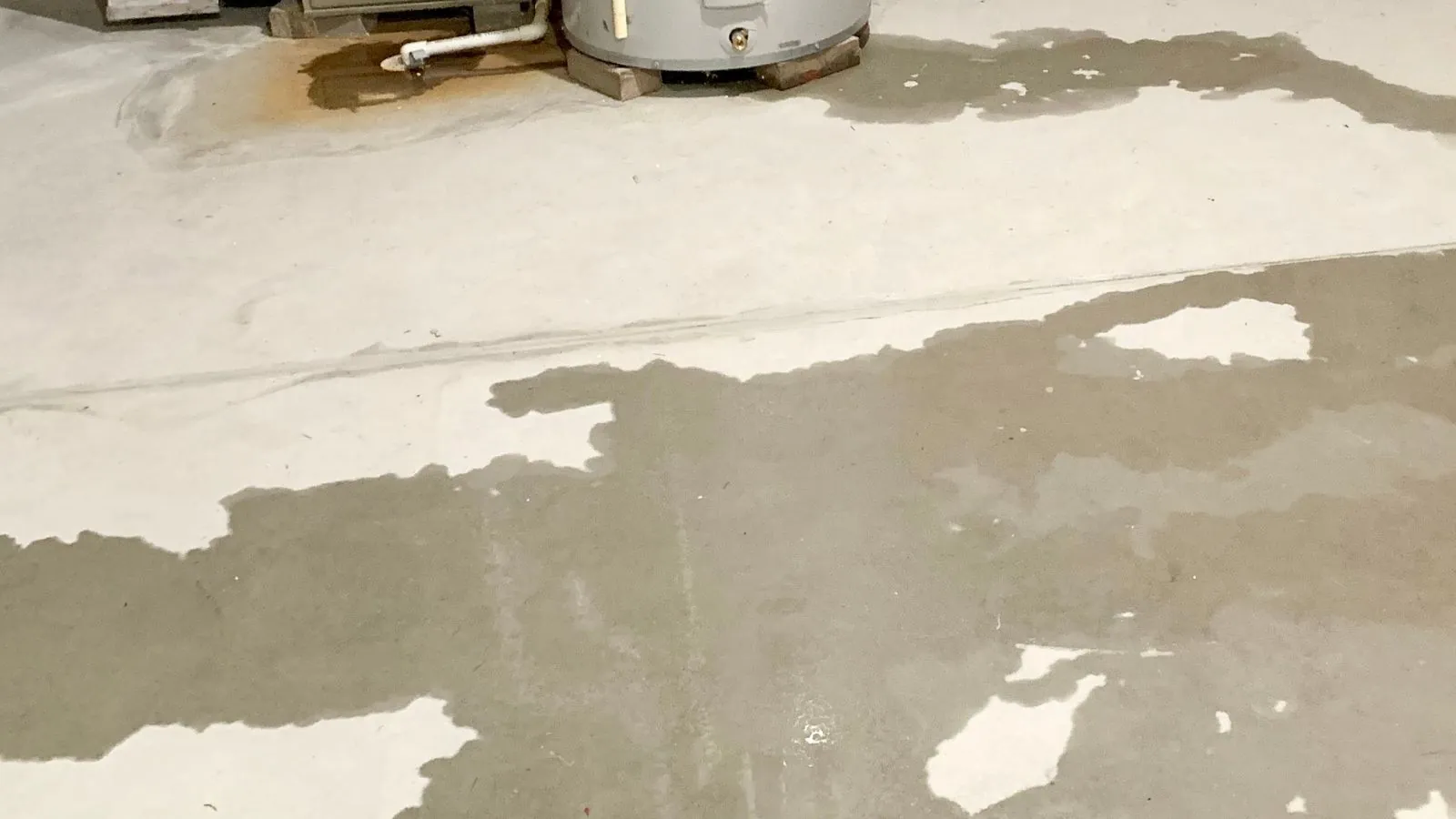
If water is coming into your basement, treat it as an emergency until you know where it is coming from. Stay out of deep water, and never wade in it if the panel, outlets, a furnace or a water heater are wet. Call the 24/7 line, and if power is at risk, call the electric utility or 911.
The first job is to stop more water from coming in, then pump what is there. After that comes the harder part, which is deciding what can be dried in place and what has to come out.
Emergency situations in a basement
- Water is rising or has covered the floor.
- The sump pump has stopped, is running constantly or is overwhelmed.
- Water is gray or brown, or came up through a floor drain.
- The furnace, water heater or panel sits in or near the water.
- Walls, carpet or stored belongings are wet and the water is still entering.
Why basements in this area take on water
The Suffolk County hazard mitigation plan for the Town of Babylon says high groundwater is a recurring problem, that basement flooding is common after heavy rain and in low-lying areas, and that finished basements are especially affected. It also says storm drains back up during heavy rain and that some homes have illegal sump connections to municipal drains.
On August 13, 2014, the Islip airport recorded about 13 inches of rain in a day, a New York record, and basements across Long Island flooded. If your house has taken water before, ask neighbors and the Town what they know, and check the FEMA flood map for your address.
| Source | Signs | Usual next step |
|---|---|---|
| Heavy rain and groundwater | Water at floor-wall joint or through slab cracks | Pump, dry, then talk to a drainage contractor |
| Sump pump failure | Pit full, pump silent or running nonstop | Replace or repair pump, check power and discharge |
| Plumbing leak | Water near pipes, water heater or washer | Close the shutoff and see burst pipe steps |
| Sewer or drain backup | Gray or brown water, odor, floor drain overflow | See sewage backup cleanup |
Basement taking on water?
Call now. Dispatch will ask how deep it is and what is plugged in nearby.
Finished basements: carpet, drywall and insulation
Finished basements hide water. Carpet and pad hold it, drywall wicks it up from the floor and insulation inside walls stays wet long after the floor looks dry. Crews measure the wall moisture and usually remove the bottom portion of drywall and any wet insulation so the cavity can dry.
Carpet from clean water can sometimes be dried, as described under carpet water damage, while carpet that sat in floodwater or sewage is usually discarded. The decision depends on water category, time and material.
How the cleanup runs
- Make safe, shut off power to wet areas if reachable from dry ground, and identify the source.
- Pump standing water with submersible pumps and extract the rest, as in water extraction.
- Remove carpet pad, wet drywall and insulation that cannot be saved.
- Dry the slab, framing and remaining materials with equipment, using the process in structural drying.
- Document readings and decide what to rebuild.
What changes the cost
Scope and price are explained before work starts.
Flood and groundwater damage are generally excluded from a standard homeowners policy, according to the New York Department of Financial Services. A water backup endorsement may cover drain or sump backup. Check your policy, document the loss before cleanup, and ask your insurer before permanent repairs.
Common questions
Yes. Heavy rain does not wait for morning. Dispatch is staffed all night, and same-day response is offered when a crew is free, with no promised arrival time.
Cleanup and drying are what this service covers. Waterproofing, such as exterior drainage, sump installation or foundation sealing, is a separate trade. Ask a drainage or waterproofing contractor, and ask the Town whether permits apply.
A pump handles seepage, not a major flood. If it fails or the power goes out, water can rise, so a battery backup is a question for a plumber.
Possibly, if the cause is covered. Flood is usually excluded, and backup may need an endorsement. Ask your insurer.
Sometimes, if the water was clean and removed quickly. A crew can check with a moisture meter.
Yes. See Deer Park, Babylon and Brightwaters.