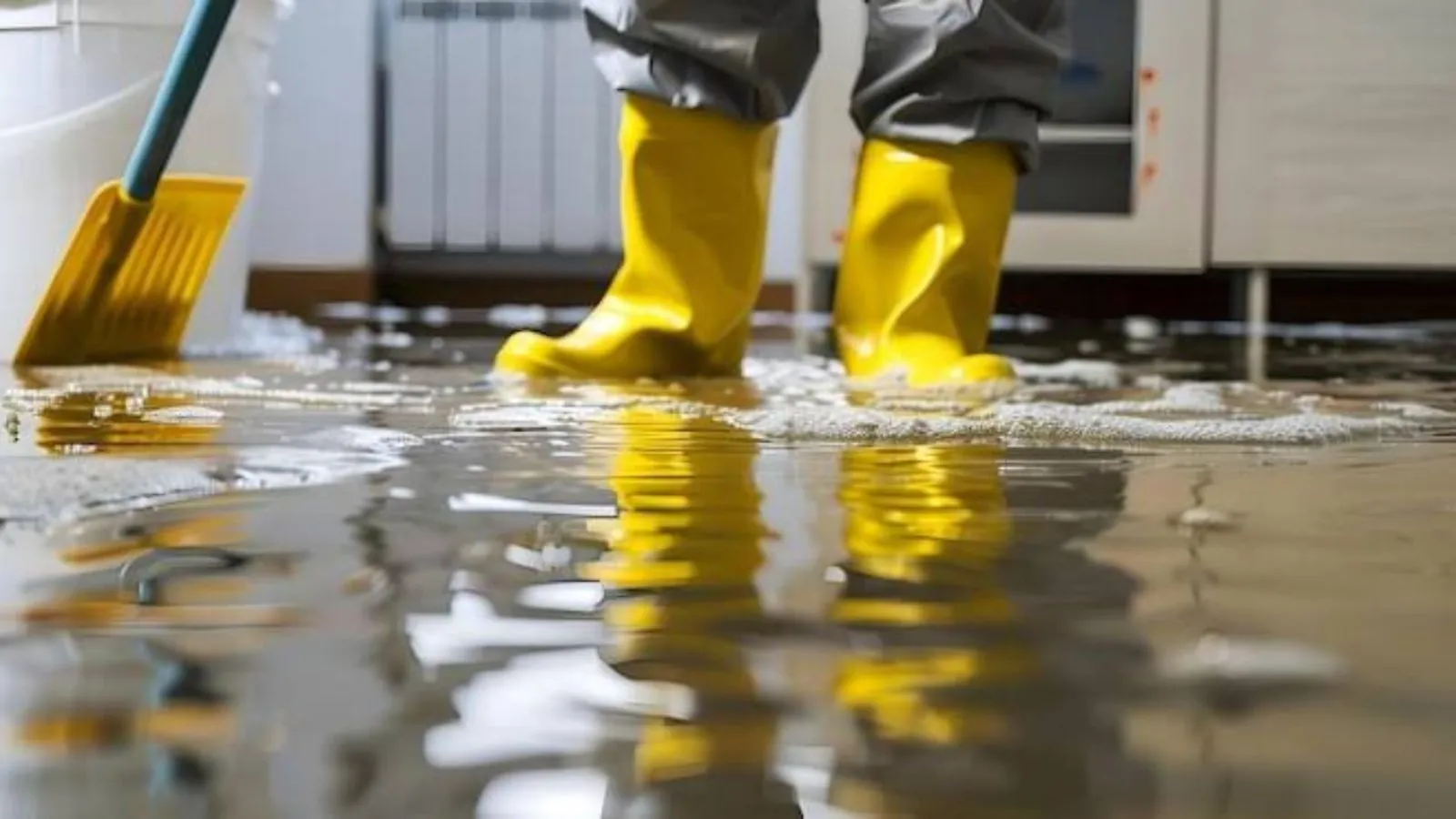
Flood water is different from a leak. It arrives from outside and can carry sewage, soil and chemicals. If your home is flooding now, stay out of standing water, keep children and pets away and call the 24/7 line. Turn off power to the flooded area only if you can reach the panel while standing on dry ground, and call 911 or the utility for any electrical or gas risk.
Flood cleanup follows the same order as other water losses, with stricter safety: extract the water, remove what cannot be cleaned, dry what can and sanitize what remains. The difference is that more material is discarded, because porous items that sat in floodwater are treated as contaminated.
Emergency flood situations to call about now
- Water is rising inside the house or has entered through doors, window wells or the foundation.
- Water is gray, brown or has a drain smell, which suggests Category 2 or 3 contamination.
- The electrical panel, outlets or a furnace are in or near the water.
- The flooding followed a storm and more rain is forecast.
Flooding that has actually reached this area
The Suffolk County hazard mitigation plan documents Hurricane Sandy in October 2012, Tropical Storm Irene in 2011 and flash flooding on October 22, 2014 that produced 149 flood claims in the Town of Babylon. On August 13, 2014, the Islip airport recorded about 13 inches of rain in roughly a day, a New York record. Coastal damage from Sandy was heaviest in West Babylon, Lindenhurst, Copiague and Amity Harbor, the plan says, and Babylon Village was also affected.
North Babylon sits inland of the bay, so its flood risk is more about rain, groundwater and drainage than surge. Check the FEMA Flood Map Service Center for your own address, because the plan notes that most existing structures were built before the maps and that map zones decide whether flood insurance is required.
| Category | Typical source | Handling |
|---|---|---|
| Category 1 | Supply line, rainwater that has not touched the ground inside the house | Often dried in place after extraction |
| Category 2 | Washing machine overflow, floodwater after a short time | Carpet and pad usually removed, hard surfaces cleaned |
| Category 3 | Sewage, river or surge floodwater, standing water from outside | Porous materials discarded, surfaces cleaned and sanitized, protective gear used |
Water inside and more rain coming?
Call the line now. Dispatch can arrange extraction and set up the drying plan.
How a flood cleanup unfolds
Make safe
Power, gas and structural checks before anyone enters.
Extract
Pumps and extraction units remove standing water.
Remove
Saturated carpet, pad, insulation and drywall bottoms come out.
Dry and clean
Air movers and dehumidifiers dry the structure, and surfaces are cleaned and sanitized.
The drying stage is explained in structural drying, and basement-specific problems such as finished walls and sump failure are covered under basement water damage. If the cause was a storm that also damaged the roof, storm water damage is the page to read.
Cost factors and insurance
Scope and price are explained before work starts.
New York's Department of Financial Services states plainly that a typical homeowners policy does not cover flood damage. Coverage can come from a separate National Flood Insurance Program policy or a private flood policy, and a water backup endorsement may cover drain and sewer backup. Check your policy, file promptly and document losses before cleanup.
Common questions
Yes. The line is open 24 hours a day. Flood losses often peak at night during heavy rain, and dispatch can arrange same-day response when a crew is available, without promising an arrival time.
Not if the water is high, if power or gas is affected or if sewage is involved. Move to a safe level or place and call. Do not walk through standing water near electrical equipment.
Carpet that sat in Category 3 water is generally discarded. Carpet from clean supply water that was extracted quickly can sometimes be dried, as explained on carpet water damage.
Usually not, per the New York Department of Financial Services. Ask your insurer about a flood policy or backup endorsement and file as soon as possible.
It helps. The FEMA Flood Map Service Center shows the zone for your address, and lenders and insurers use the zone when deciding on flood insurance.
Yes. Babylon, Deer Park and Brightwaters are served through the same line.