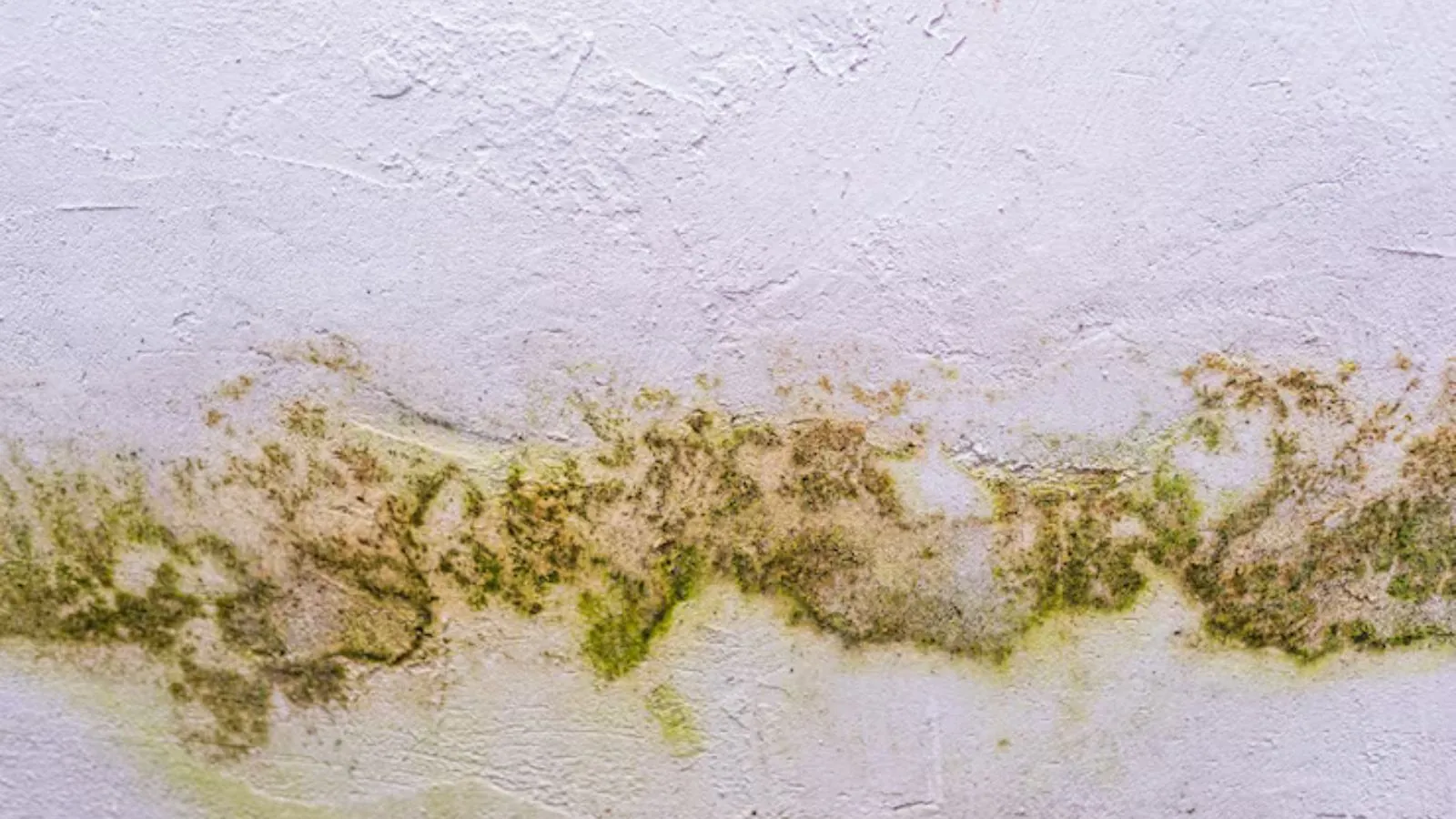
Mold and mildew are both fungi that need moisture, and people use the words loosely. Mildew is the term often used for a flat, powdery or downy growth on surfaces like shower walls and window sills. Mold is a broader term that covers growth that can be fuzzy, slimy or spread into porous materials.
This guide makes no health claims and cannot identify what is growing in your home. It explains common differences and what to do about each.
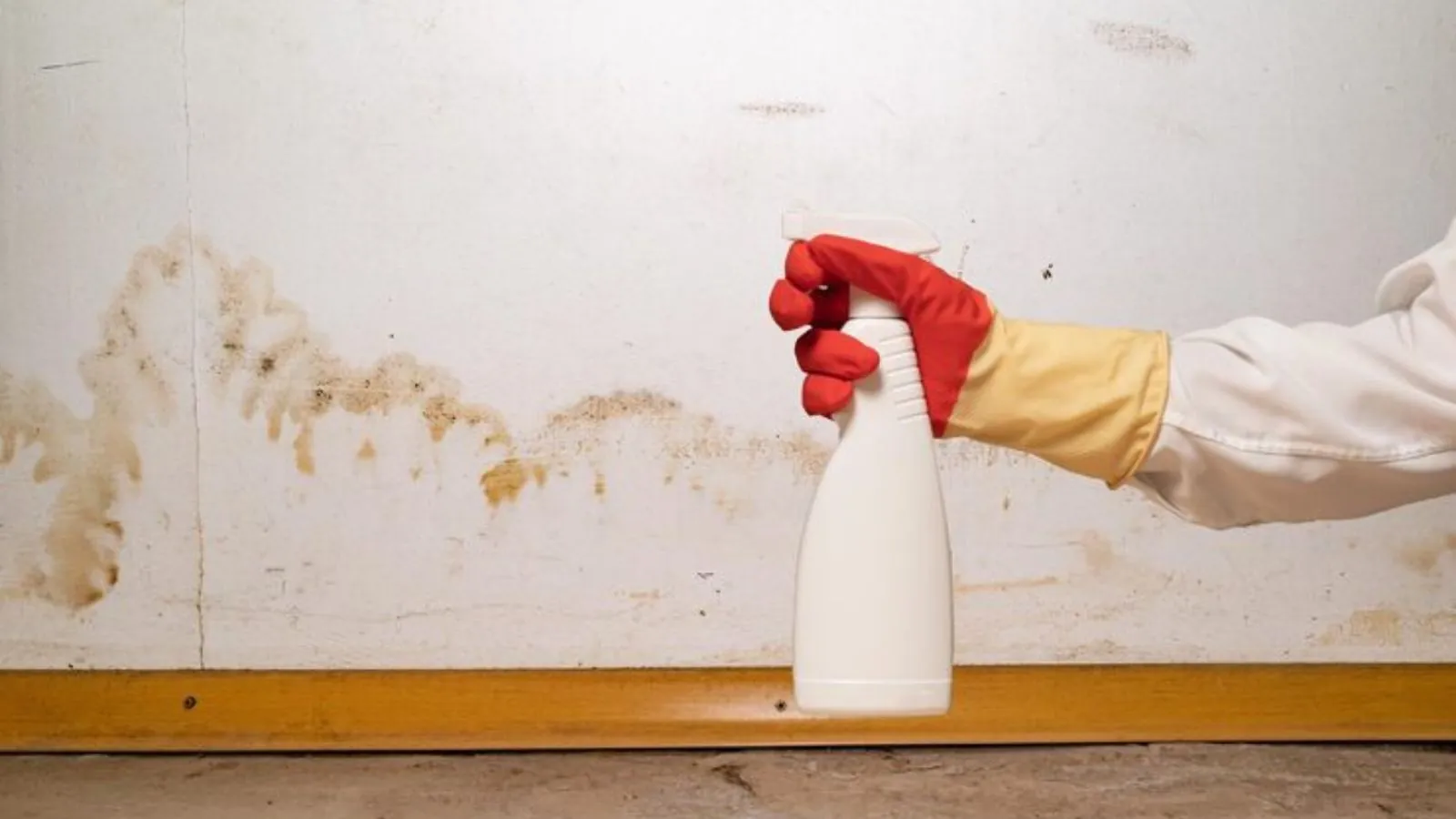
Common visual differences
| Feature | Mildew (often) | Mold (often) |
|---|---|---|
| Texture | Flat, powdery or downy | Fuzzy, slimy or raised |
| Color | White, gray or yellow at first | Black, green, blue or other colors |
| Where | Surfaces like tile and window frames | Surfaces and inside porous materials |
| Typical cleanup | Cleaning hard surfaces | May require removal of materials |
Color and texture alone cannot identify a growth. A white fuzzy patch may be mold, and a dark spot may be dirt. The practical question is how big it is, what it is growing on and whether the moisture is still present.
Where each tends to show up
- Shower walls, tile grout and caulk, where mildew is common.
- Window sills with condensation.
- Basement walls and cardboard boxes, where mold may grow.
- Behind wallpaper or paneling after a leak.
- On ceiling tiles or drywall after a roof or pipe leak.
Growth on hard, sealed surfaces is usually easier to clean than growth in drywall, insulation or wood. If you find growth after a leak, the first job is drying, as covered in structural drying.
What to do about each
- Fix the moisture source.
- Photograph the growth with a ruler for scale.
- Clean small hard-surface spots with detergent and water, and dry them.
- Keep large or porous-material growth undisturbed and call for assessment.
- Improve ventilation and humidity control.
In New York, a license is required to act as a mold assessor or remediator, with exceptions the Department of Labor lists on its site. A small mildew spot on tile is a household cleaning matter. Larger areas, or anything on drywall or framing, are better handled with professional help.
Local note: humid summers and basements
Long Island summers are humid, and basements and bathrooms can hold moisture even without a leak. In North Babylon, a dehumidifier in a basement and a working bathroom fan are common ways to keep surfaces dry. Check the humidity in your basement with an inexpensive hygrometer if you are unsure.
Water spreading right now?
Guides are for planning. If water is moving, call the 24/7 line first.
Prevention that actually helps
- Run exhaust fans during and after showers.
- Keep indoor humidity moderate with a dehumidifier where needed.
- Fix leaks within a day or two.
- Dry wet items right away, including towels and mats.
- Leave space between furniture and exterior walls.
These steps reduce the moisture that fungi need. They do not guarantee that nothing will grow. If you have recurring growth in Brightwaters or Babylon homes near water, check for a hidden source such as a slow leak or groundwater.
When it is more than a surface spot
Signs of a larger problem include a persistent musty smell, repeated growth after cleaning, soft or stained drywall and visible growth over a large area. In those cases, a moisture visit helps find the source. See wall and drywall water damage repair for what happens when a wall has been wet.
Common questions
A simple home check
Photograph the growth, measure the area roughly and note the material it is on. Check whether the area is damp with a basic meter, and look for a source above, behind or below. Those four facts tell a professional most of what they need to advise you.
Avoid touching or disturbing the growth. If it is on drywall or a ceiling and the area is larger than a small spot, treat it as a job for professionals.
Common household sources of moisture
- Showers and baths without an exhaust fan.
- Window condensation in cold months.
- A clothes dryer venting into the room.
- Unvented cooking steam.
- Basement walls that sweat in humid weather.
Addressing these sources lowers the chance of growth. A dehumidifier in a damp basement is a common step. If humidity stays high even with these steps, check for a leak or groundwater.
This guide makes no health claims. For practical purposes, both signal moisture, and both should be dealt with by fixing the source.
No. Color varies and changes over time. An assessor can identify growth.
Questions about cleaning products belong to a licensed assessor or a physician. Fixing the moisture matters most.
Test kits rarely answer the question you care about. An assessor decides what testing is useful.
Because moisture is still present, or the cleaning only treated the surface.
Check the Department of Labor's rules. In general, larger areas or growth in porous materials call for professionals.