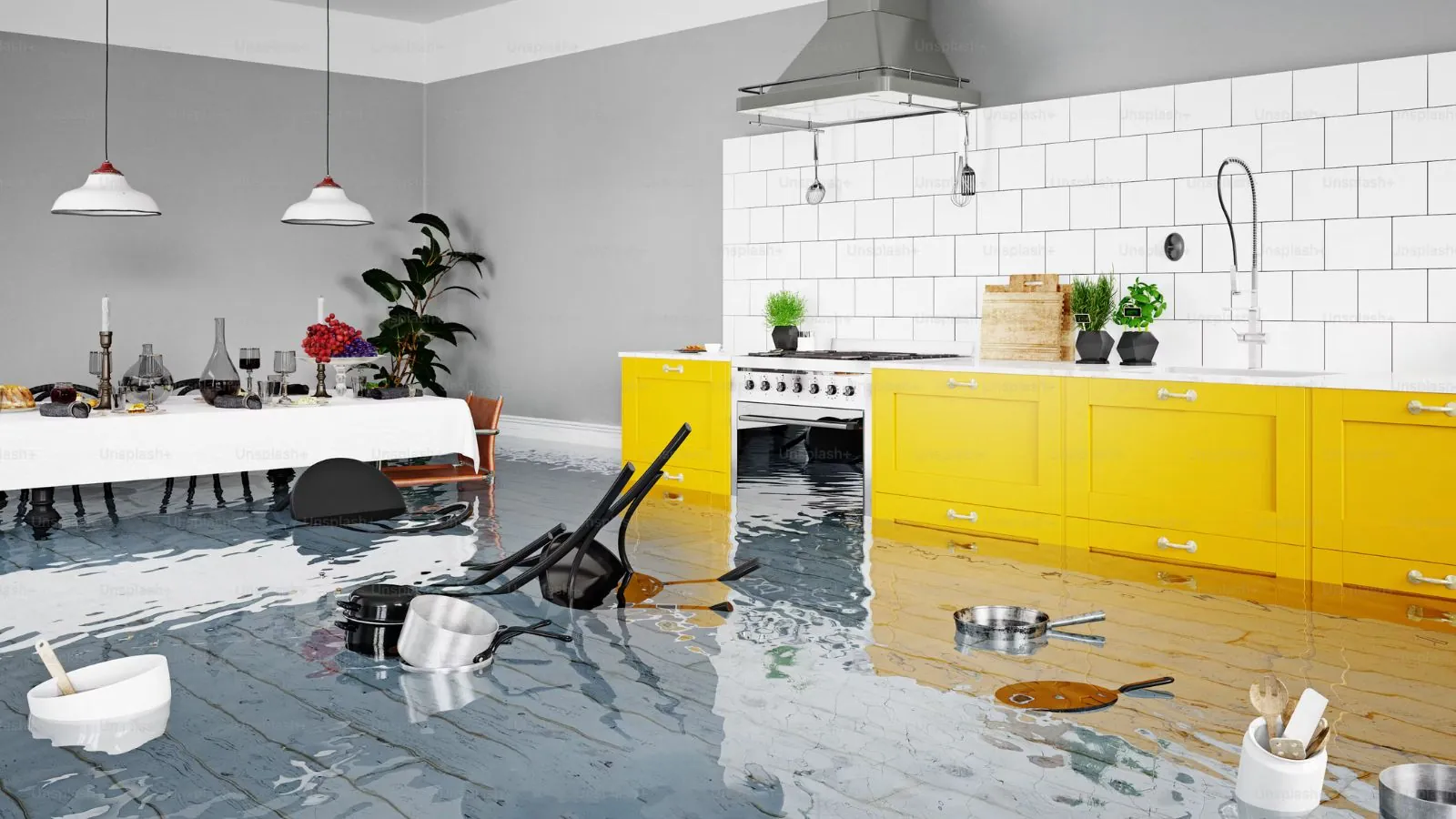
After a water loss, the first question is what can be saved. Two things decide: what kind of water touched the item and how long it stayed wet. Photograph everything before discarding it, because your insurer may want to see what was lost.
This guide uses the water categories from ANSI/IICRC S500. It cannot tell you the value of your items or what your insurer will pay.
Start with the water category
| Category | Source examples | General approach |
|---|---|---|
| Category 1 | Supply line, fresh rain through roof | Many items can be dried and kept |
| Category 2 | Washer or dishwasher overflow | Clean hard items, discard porous ones that stayed wet |
| Category 3 | Sewage, outside floodwater | Discard porous items, clean and sanitize hard ones |
Porous items such as mattresses, upholstered furniture, carpet pad and particleboard absorb water. Hard, nonporous items like glass, metal and sealed plastic are easier to clean.
Time matters. Clean water becomes less clean as it sits, so speed helps.
Item by item
Furniture
Solid wood can often be dried and saved. Upholstered pieces and particleboard from Category 2 or 3 water are usually discarded.
Carpet and rugs
Clean-water carpet can sometimes be dried. See carpet water damage for how that decision is made.
Clothing and linens
Wash washable items in hot water if the water was clean. Discard items from sewage or floodwater unless a professional cleaner advises otherwise.
Books and papers
Freeze wet documents to buy time and ask a conservator about valuable ones.
Electronics and appliances
Do not plug in anything that got wet. Have a technician check it.
Food
Discard food that touched floodwater or sewage, and anything from a refrigerator that lost power for long.
When in doubt, throw it out is a good rule for porous items from contaminated water. For valuable items, ask a specialist before you discard. Keep photos and a list for your insurer, with brand, age and approximate value.
How to document before you discard
- Photograph each item where it sits.
- Make a list with description, age and value.
- Keep a small sample of fabric or carpet if the insurer may want it.
- Bag and label discarded items if you must remove them quickly.
- Keep receipts for cleaning and disposal.
The New York Department of Financial Services advises documenting losses before cleanup and keeping receipts. That applies to belongings as much as to the building. A restoration crew can help with a contents list and move items during drying.
Water spreading right now?
Guides are for planning. If water is moving, call the 24/7 line first.
Local note: stored items in basements
In North Babylon and nearby towns, many families store boxes, holiday items and keepsakes in basements, and the county hazard plan describes basement flooding as common after heavy rain in the Town of Babylon. Cardboard boxes wick water quickly. Raising stored items on shelves or plastic bins is a simple habit that saves a lot of loss.
Cleaning what you keep
- Wipe hard surfaces with detergent and water, then dry them quickly.
- Air out wood furniture away from direct heat.
- Wash washable fabrics promptly.
- Keep items out of the drying area unless the crew asks to move them.
- Do not use heat guns on wet wood.
Drying a house and drying your belongings are separate jobs. See water extraction for the building side. If you are not sure whether an item can be cleaned, ask a specialist before spending money.
Getting help
For homes in Babylon, Deer Park or Brightwaters, the 24/7 line can explain next steps. Same-day response is offered when a crew is available. Ask what the visit includes, and keep your own list as you go.
Common questions
Photos, papers and sentimental items
Paper items and photographs can often be saved if you act quickly. Separate wet photos gently, rinse off any dirt with clean water and lay them flat to dry. Freezing wet papers stops damage until you can get help from a conservator.
Do not use heat to speed drying. Heat can bake in damage and warp the material.
When a professional cleaner helps
Specialist cleaners handle items like upholstered furniture, rugs and clothing from clean-water losses. Ask about their experience with water damage and what they can promise. Get prices before work starts. Items from sewage or floodwater are usually not worth the expense, and a professional will often tell you so.
Generally no if it soaked, especially with Category 2 or 3 water. Ask your insurer.
Rinse gently with clean water if possible and dry flat, or freeze them and consult a conservator.
Cardboard and paper items that stayed wet should be discarded or dried right away.
Yes if it touched floodwater or sewage, or if it spoiled from a power loss.
The insurer, based on your policy. Document everything.
Often yes. Ask what is included.