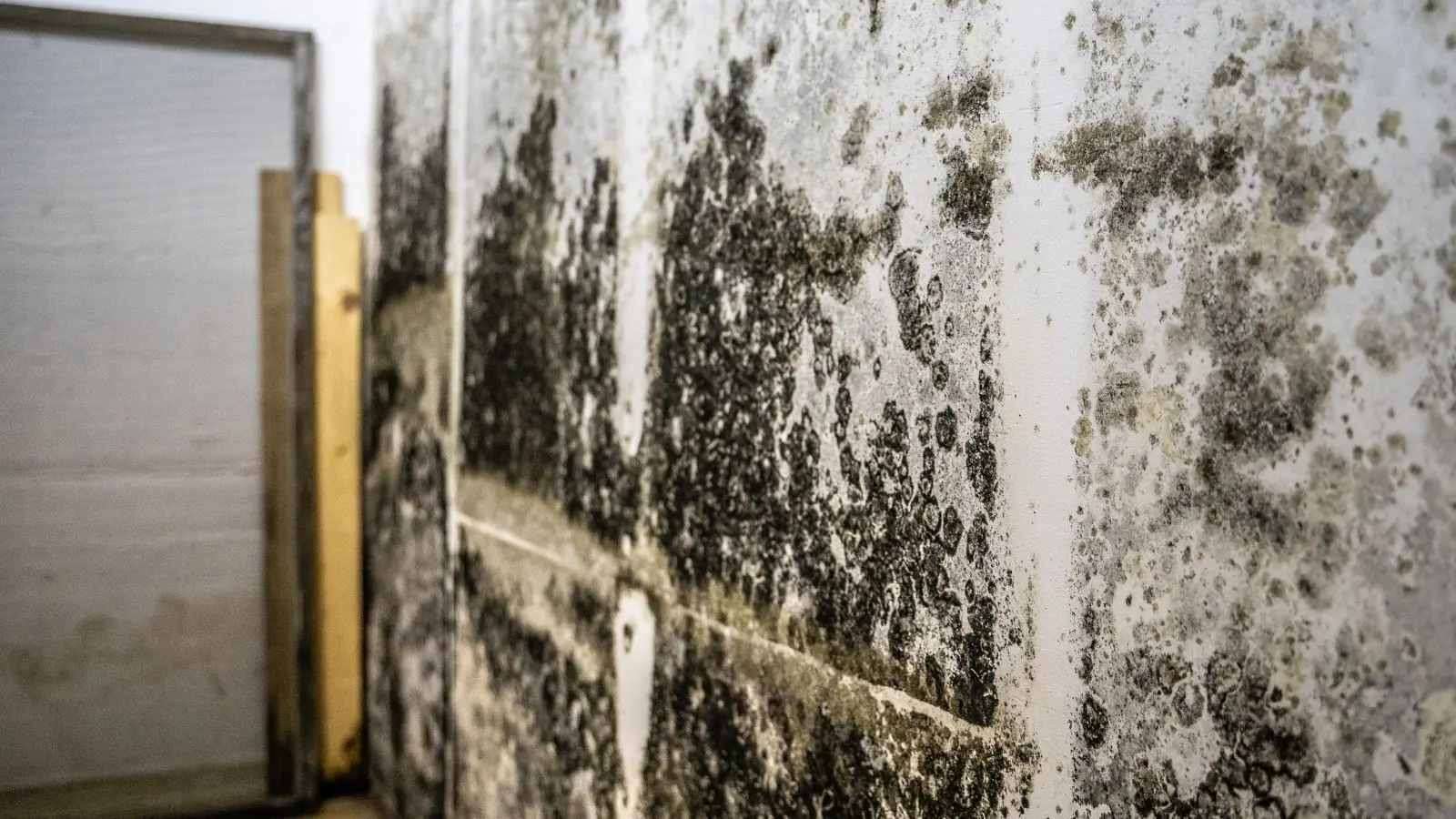
Mold on wood means the wood stayed damp long enough to support growth. The first question is why it was wet, because cleaning a surface without drying the wood just lets it return. After that, size the job, since a few spots on a shelf are different from growth on floor joists.
This guide makes no health claims. Questions about symptoms belong to a physician, and questions about large areas belong to a licensed assessor.
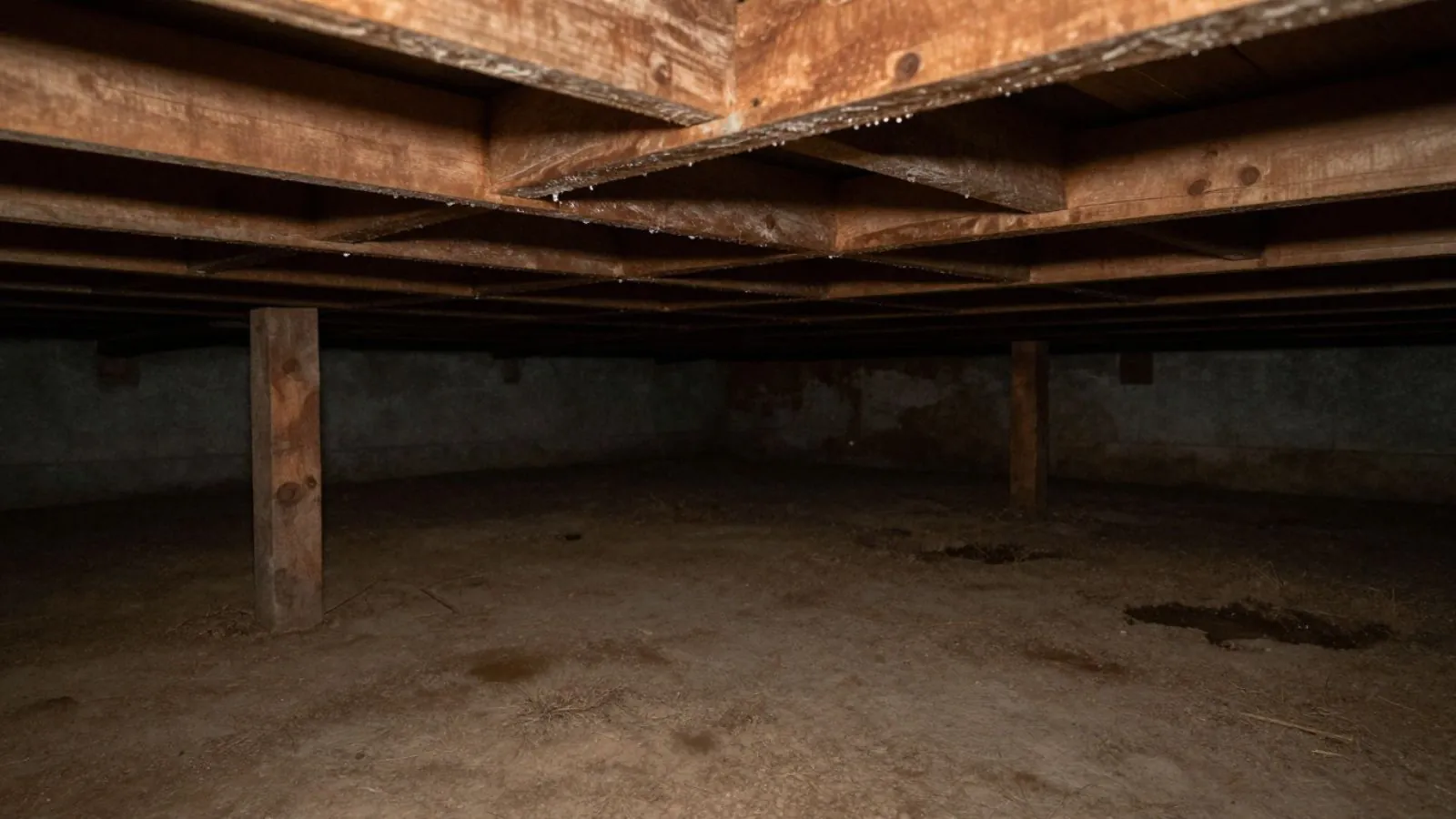
Different wood, different problem
| Where | Typical cause | Usual approach |
|---|---|---|
| Furniture or shelves | Humid room or stored wet | Dry, clean surfaces, move to a drier place |
| Wood floors | Leak or flood under the boards | Moisture readings, drying, possible board removal |
| Framing or joists | Basement or crawl space moisture | Drying, assessment and possible licensed remediation |
| Decks and fences | Outdoor weather exposure | Cleaning and sealing, less of an indoor concern |
Surface growth on sealed wood is easier to clean than growth that has gone into the grain of raw wood. Framing is structural, so removal or heavy cleaning is a decision for professionals. If the wood is soft, crumbling or crumbles under a screwdriver, it may be rotting as well, and a contractor should look at it.
Dry first
Mold needs moisture, so the first step for any wet wood is drying. In a house, that means finding the leak and then using air movers and dehumidifiers to bring the wood to a normal reading. A moisture meter confirms it.
See structural drying for how that works and crawl space water damage for framing below the floor. For wood floors, hardwood floor water damage repair explains the options.
Cleaning small areas
- Fix the moisture source and let the wood dry fully.
- Wear gloves, eye protection and a dust mask.
- Brush or vacuum loose material with a HEPA vacuum if you have one.
- Wipe sealed wood with detergent and water, and let it dry.
- Seal or paint only after the wood is dry.
Do not sand raw wood, which can spread dust and drive growth deeper. Do not paint over a damp surface. If the stain stays after cleaning, it may be discoloration and not active growth, and an assessor can tell.
Local note: wood in damp basements and crawl spaces
The Suffolk County hazard mitigation plan notes high groundwater in the Town of Babylon and says basement flooding is common after heavy rain. Wood stored on a basement floor or left against a damp foundation wall is a typical example. Raising stored items off the floor and checking after storms are small habits that help.
When New York licensing matters
The New York State Department of Labor requires a license to act as a mold assessor or remediator, with exceptions for small areas and owner work that you can read on its site. The assessor writes the protocol and does the final assessment, and the remediator cannot be the same business on the same project.
Verify any license on the Department's Licensed Mold Contractors Search Tool. For larger growth on framing, hiring licensed professionals protects you.
Water spreading right now?
Guides are for planning. If water is moving, call the 24/7 line first.
Preventing a repeat
- Keep humidity in check with a dehumidifier in damp areas.
- Store wood and cardboard off basement floors.
- Fix leaks promptly and dry wet areas within a day or two.
- Make sure gutters and downspouts carry water away from the foundation.
- Check crawl spaces after heavy rain.
None of these guarantees that mold never returns. They reduce the moisture that mold needs. If you are in Deer Park or Babylon and have a recurring dampness problem, a visit to map moisture can help find the cause.
Common questions
Sealing and finishing after cleanup
Once wood is clean and dry, a sealer or paint made for the surface protects it from future moisture. Seal only after readings are normal, since sealing wet wood traps the water. Choose products meant for the room, such as moisture-resistant finishes for basements.
Raw framing that was cleaned by a licensed remediator may be treated with a coating under the protocol. Your assessor decides what is appropriate, so follow the protocol and keep the paperwork.
Signs the wood is damaged beyond cleaning
- The wood is soft enough that a screwdriver sinks in easily.
- Boards are split, warped or crumbling.
- A musty smell remains after thorough drying.
- The growth keeps returning on the same board after moisture is fixed.
Wood with these signs may need replacement. A contractor or engineer can say whether it is structural. Do not remove structural framing yourself, because it may carry load.
Sometimes, if it is sound and the growth is on the surface. Structural wood should be assessed by a professional.
Questions about cleaning products belong to a licensed assessor or a physician. Bleach does not reach into porous wood well.
Only if an engineer or contractor says so. Many joists can be dried and cleaned.
Homeowners cleaning small areas generally do not, but check the Department of Labor's rules.
A moisture meter. Compare against dry wood of the same kind.
Not always. It can be mineral deposits or mildew, and an assessor can tell.