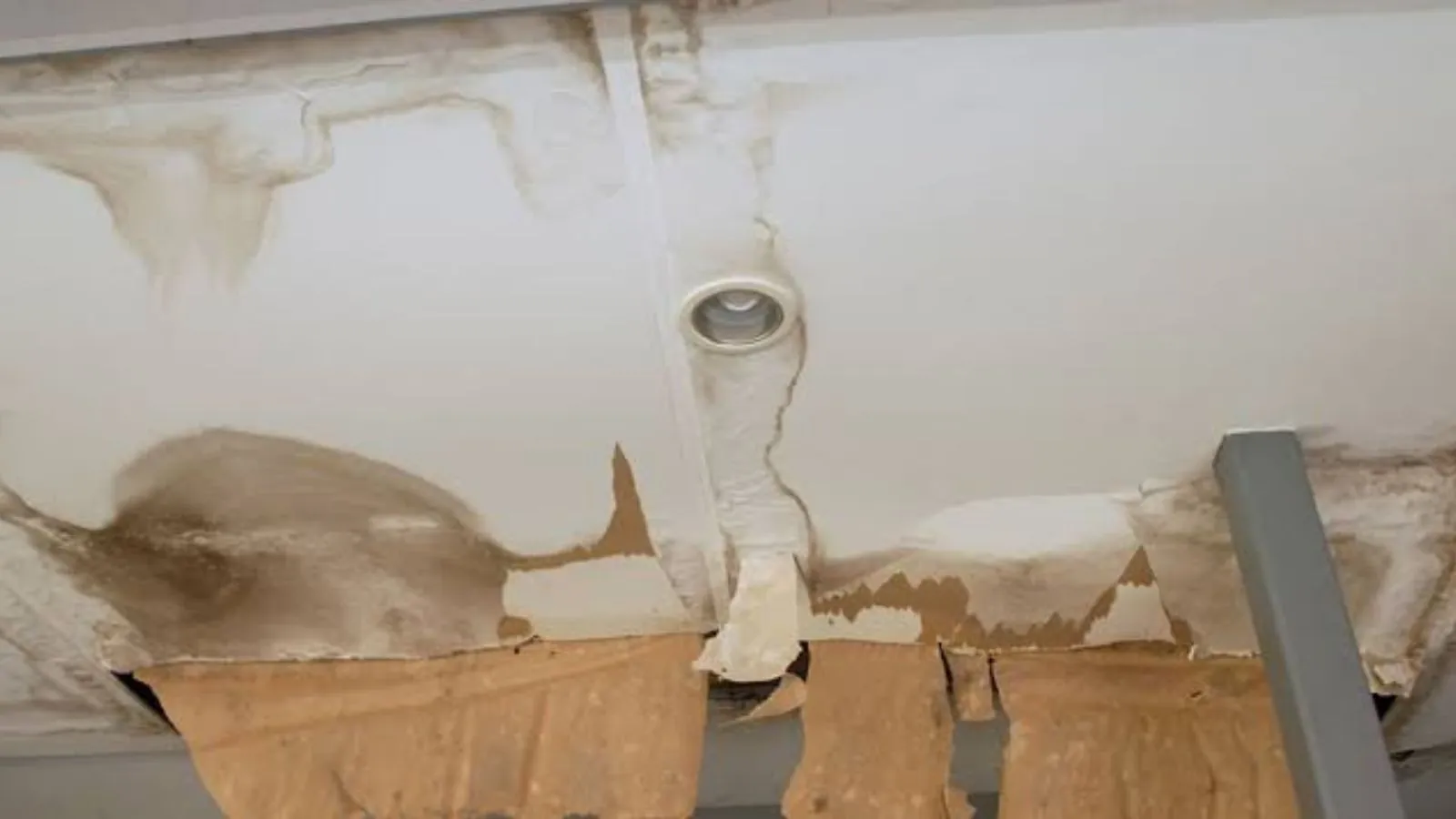
A hidden leak can run for weeks before it shows up. The simplest test is the meter test: turn off every fixture and appliance that uses water, then watch the water meter. If the dial or low-flow indicator keeps moving, water is leaving the system somewhere.
This guide walks through that test and other checks homeowners can do before calling a plumber or a water damage crew. It cannot locate every leak, and some are under concrete or inside walls.
The meter test, step by step
- Turn off all faucets, the dishwasher, the washer and the ice maker.
- Find the water meter, which is usually near where the line enters the house or at the curb.
- Note the dial or low-flow indicator and the reading.
- Wait an hour without using any water, then check again.
- If it moved, close the main shutoff and check whether it stops.
If the meter stops moving after you close the main, the leak is inside the house. If it keeps moving, the leak may be between the meter and the house.
Write down the readings and times. A plumber will want them.
Other signs of a hidden leak
Unexplained high bill
A jump in usage with no change in habits often points to a leak, though bills can vary for other reasons.
Sound of running water
Hissing or running sounds with all fixtures off.
Warm spots on the floor
May indicate a hot water line leak, especially over a slab.
Musty smell
Moisture trapped in a wall, floor or cabinet.
Stains or bubbling paint
Water moving through a wall or ceiling.
Check these common places first
- Under sinks and around the dishwasher.
- Behind the washing machine and its hoses.
- Around the water heater and its relief valve.
- Toilets, by adding a drop of food coloring to the tank and watching for color in the bowl.
- Outdoor spigots and irrigation lines.
Toilet leaks are common and often silent. Food coloring in the tank shows whether water seeps into the bowl without flushing.
If you find a leak, close the nearest shutoff. For appliance sources, see appliance leak water damage. For a leaking water heater, see water heater leak cleanup.
Local note: slab leaks and older lines
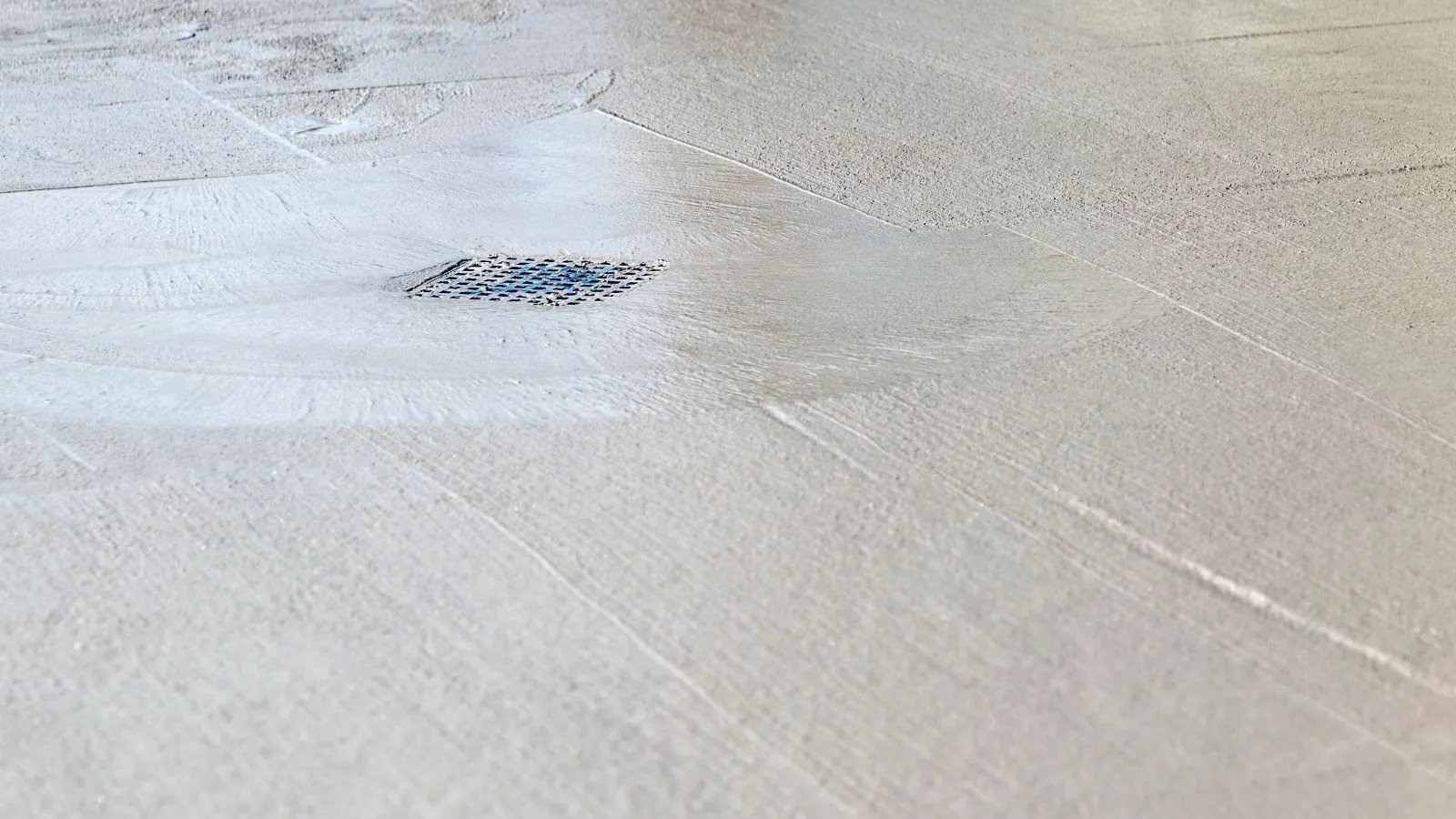
Many North Babylon houses were built after World War II, and some sit on slabs. If you hear running water with all fixtures off or feel a warm patch on the floor, slab leak water damage explains what comes next. A leak-detection plumber uses acoustic or thermal tools to locate it, and a Town plumbing permit may apply to the repair.
Water spreading right now?
Guides are for planning. If water is moving, call the 24/7 line first.
When to call a professional
| What you found | Who to call | Why |
|---|---|---|
| Meter moves, source unknown | Licensed plumber or leak-detection specialist | Locating pressurized leaks needs tools |
| Wet walls, floors or ceiling | Water damage crew | Drying should begin right away |
| Musty smell with no visible source | Moisture mapping visit | Meters and cameras find hidden damp |
| Wet insulation or sagging ceiling | Water damage crew | Wet materials may need removal |
The plumber stops the leak and the crew dries what got wet. Both matter, and doing them in the wrong order wastes effort. For help with the drying side in Deer Park or Babylon, dispatch can explain what to expect.
Documenting a hidden leak
Take dated photos of stains, damp areas and meter readings. Keep any plumber invoice that describes the failure. If you plan to file a claim, ask your insurer how it treats gradual versus sudden leaks.
The New York Department of Financial Services advises documenting losses before cleanup and keeping receipts. That applies to hidden leaks as much as visible ones.
Common questions
Reading your water bill and meter
Compare your recent bills with the same months in prior years, since use varies by season. A jump with no change in habits, such as new guests or a pool fill, can point to a leak. Your water supplier can tell you whether a meter reading is unusual.
Your water provider depends on where you live, and Suffolk County Water Authority serves many Long Island residents. Check your bill to see who your supplier is and how to reach them.
Outdoor and irrigation leaks
Leaks outside the house show up as soggy lawn, sinking soil or unexpected greenery. Irrigation systems and outdoor spigots are common culprits. Shutting off the irrigation system and rerunning the meter test helps separate them from indoor leaks.
If the line between the meter and the house leaks, the repair may involve digging, and permits can apply. Ask your plumber.
It can. A leak running constantly can add significant usage, so check your bill against past months.
Not always. A plumber can often locate the line with equipment before digging.
A plumber or leak-detection specialist. The restoration crew handles the damage.
If water is spreading or a ceiling is sagging, yes. A slow, stopped leak can usually be scheduled.
Sudden leaks are often covered, gradual ones often are not. Ask your insurer.
Small water sensors under sinks and near appliances can alert you early. They are a low-cost step.