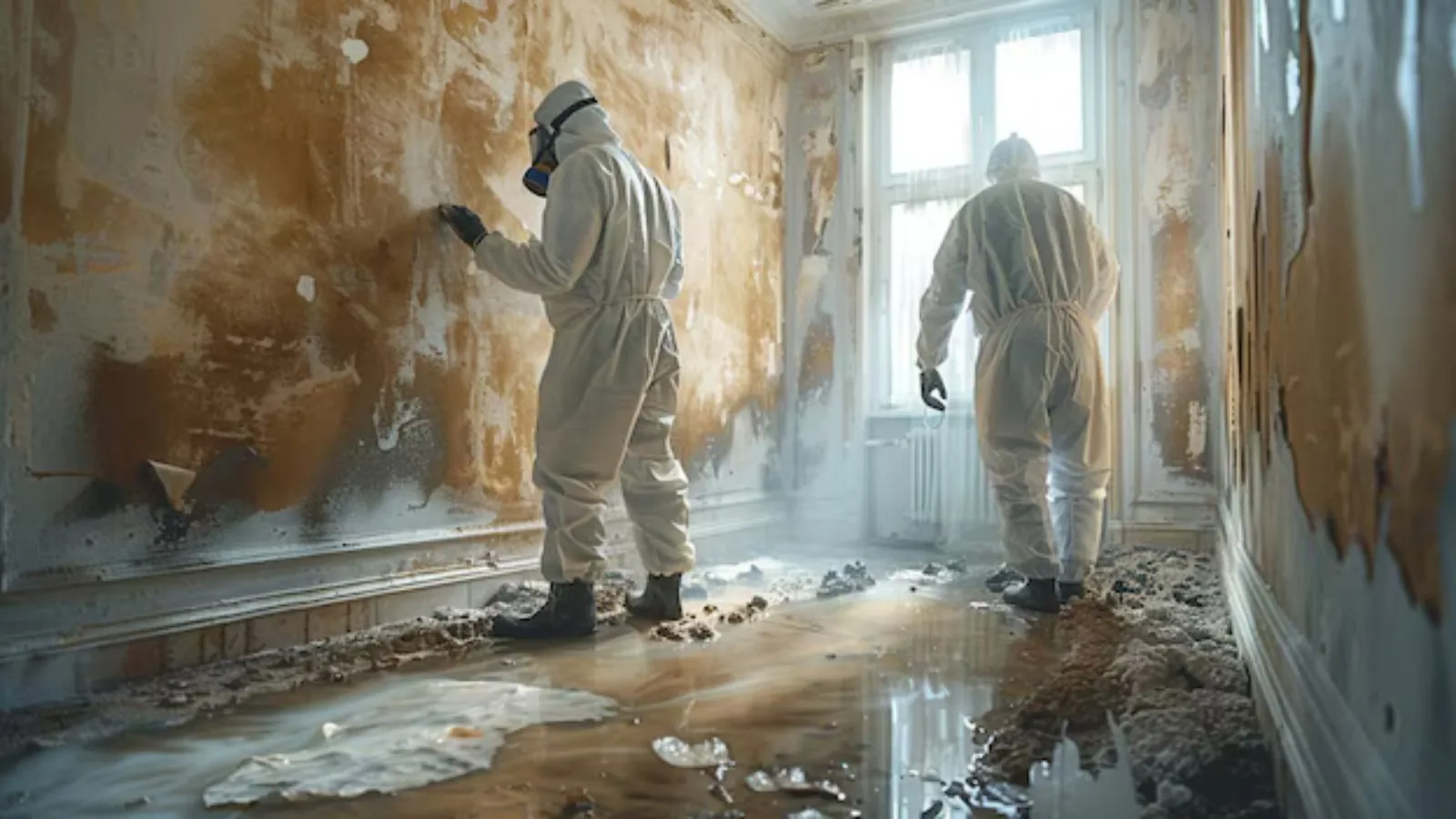
Whether homeowners insurance covers mold usually depends on how the mold started. Many policies cover mold that results from a covered water loss, such as a pipe that burst, and limit or exclude it when the cause was long-term moisture or lack of maintenance. Your policy wording sets the rules, so read the mold section and ask your insurer.
This guide describes common patterns and what to document. It does not predict a claim result, and it does not replace the New York Department of Financial Services or your insurer.
Common patterns in mold coverage
| Cause | Pattern to expect | What to check |
|---|---|---|
| Mold after a sudden pipe or appliance leak | May be covered as part of a covered loss | Whether there is a mold sublimit |
| Mold from a slow leak over time | Often excluded | Wording on continuous seepage |
| Mold after flood | Often excluded with the flood | Separate flood coverage |
| Mold from humidity or poor ventilation | Often excluded | Maintenance exclusions |
Some policies have a specific mold limit, called a sublimit, that caps what the insurer will pay for mold testing and removal. Others exclude mold except when it follows a covered loss. Ask your insurer which applies. Also ask whether testing and assessment fees are included, since New York requires a licensed assessor for many mold projects.
Why drying quickly matters for coverage
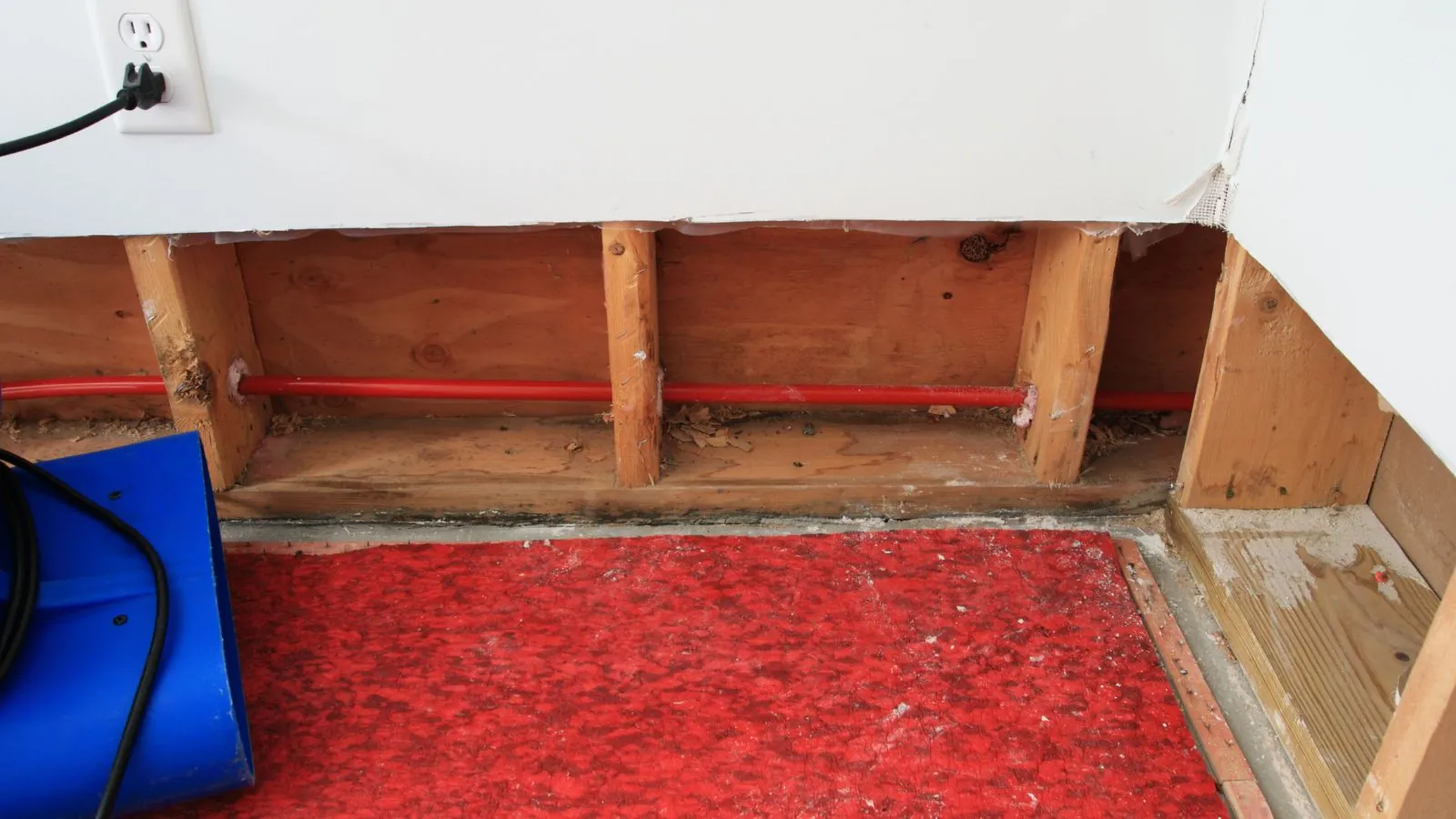
Policies generally expect the owner to take reasonable steps to prevent further damage after a loss. Leaving a wet area undried can turn a covered water loss into a larger problem that the insurer may argue could have been prevented. Drying promptly protects the building and your position. See water extraction and structural drying for what that work involves.
Steps to document a mold-related claim
- Photograph the water source and the mold before any cleanup.
- Keep records of when you found the water and what you did.
- Report the loss to your insurer promptly.
- Keep drying logs and receipts.
- Use licensed professionals for assessment and remediation, and keep their reports.
The New York State Department of Labor requires a license to act as a mold assessor or remediator, and the same company cannot do both on a project. Keep the protocol and the post-remediation assessment report, which document the work. Verify licenses with the Department's Licensed Mold Contractors Search Tool before you sign.
Local note: groundwater and finished basements
The Suffolk County hazard mitigation plan says basement flooding is common in the Town of Babylon after heavy rain and in low-lying areas, especially finished basements. If mold appears in a basement after a flood, the flood exclusion in a standard homeowners policy is relevant. Ask your insurer about flood and backup coverage before you need it.
Questions to ask your insurer
- Does my policy have a mold sublimit, and what is it?
- Is mold covered when it follows a covered water loss?
- Are assessment and testing costs included?
- What documentation do you need?
- Is there a deadline to report?
Water spreading right now?
Guides are for planning. If water is moving, call the 24/7 line first.
Write down the answers, the date and the name of the person you spoke with. If the answers are unclear, ask for them in writing. For a loss in Deer Park, Babylon or Brightwaters, the same questions apply.
What this guide cannot do
No one outside your insurer can say whether your claim will be approved. Coverage depends on policy language and facts. A restoration company can provide documentation, not a coverage opinion. If you disagree with a decision, ask for it in writing and contact the Department of Financial Services for guidance on next steps.
Mold, moisture and prevention
Mold needs moisture. The lasting protection is to fix leaks, dry wet areas fast and keep humidity moderate. A policy cannot replace those habits.
If you have recurring dampness, a moisture visit can find the cause before it becomes a claim. Mold remediation explains how the process is structured in New York.
Common questions
Mold found when buying or selling
If a home inspection finds mold, the question of cause comes first. A past covered loss may have been claimed, and a prior claim can affect future coverage. Ask the seller for records and ask your insurer how it treats a house with prior mold.
If you are selling, keep protocol and clearance documents with your records. They show what was done and by whom.
When your policy renews
Insurers sometimes adjust mold language at renewal. Read your declarations page and any endorsements each year. If a mold sublimit is lower than you expect, ask your agent about options. Keeping maintenance records, such as invoices for plumbing and roof repairs, supports your position if a claim is ever needed.
Sometimes, especially when it follows a covered water loss, but many policies limit or exclude it. Check your policy.
A cap on what the insurer pays for mold-related costs. Your declarations or endorsements show it.
It depends on the policy. Ask before ordering tests.
Often not, since flood is usually excluded. Ask about flood coverage.
As soon as possible. Check your policy for deadlines.
Photograph and document before cleanup. Ask your insurer before permanent repairs.