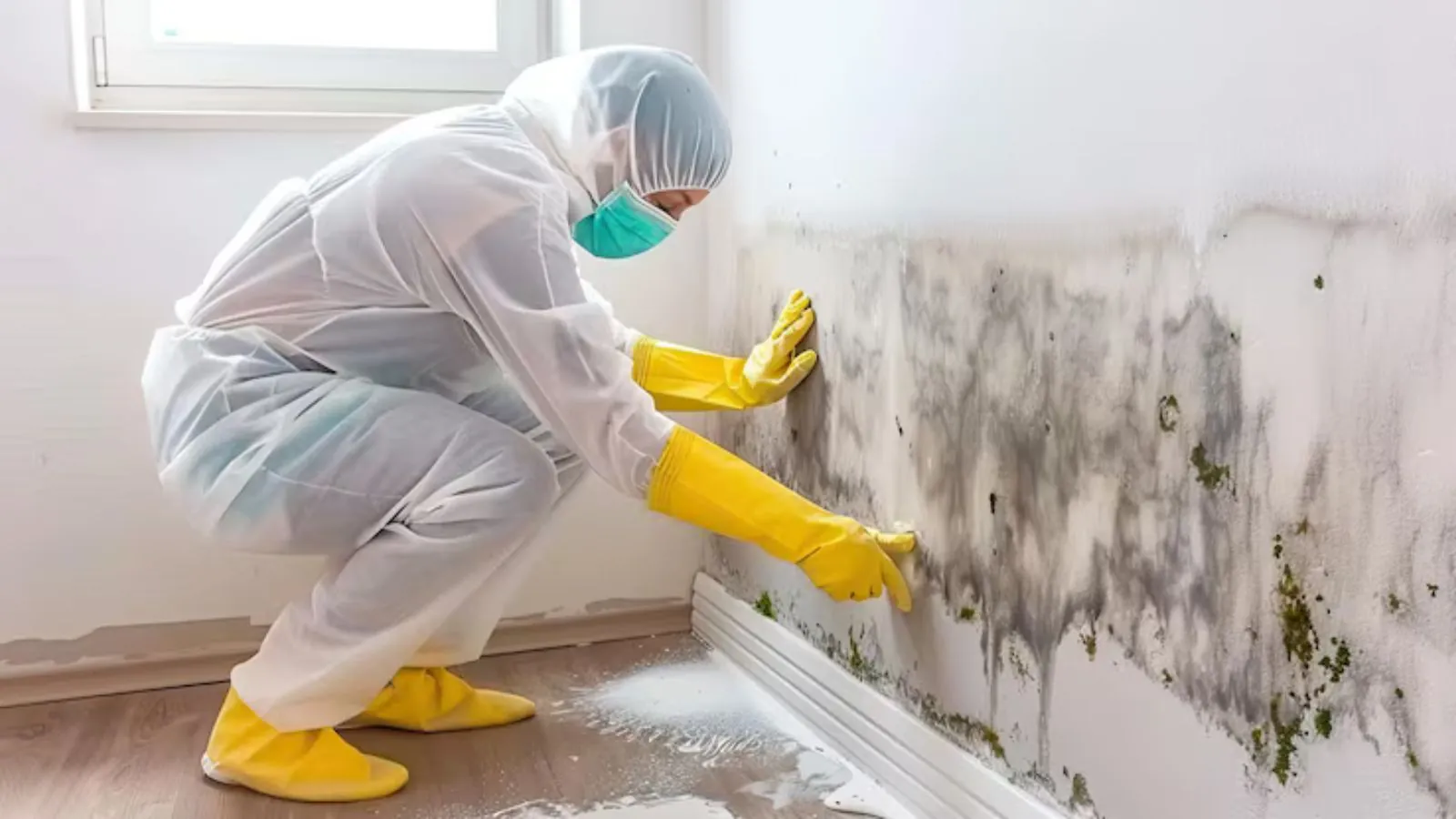
Dark spots on bathroom walls, ceilings or grout are often called black mold, but color does not identify the type. Many molds look dark, and only an assessor can say more. What matters first is the moisture that allowed it to grow.
This guide makes no health claims and offers no diagnosis. Health questions belong to a physician, and questions about your building belong to a licensed assessor.
Why color tells you little
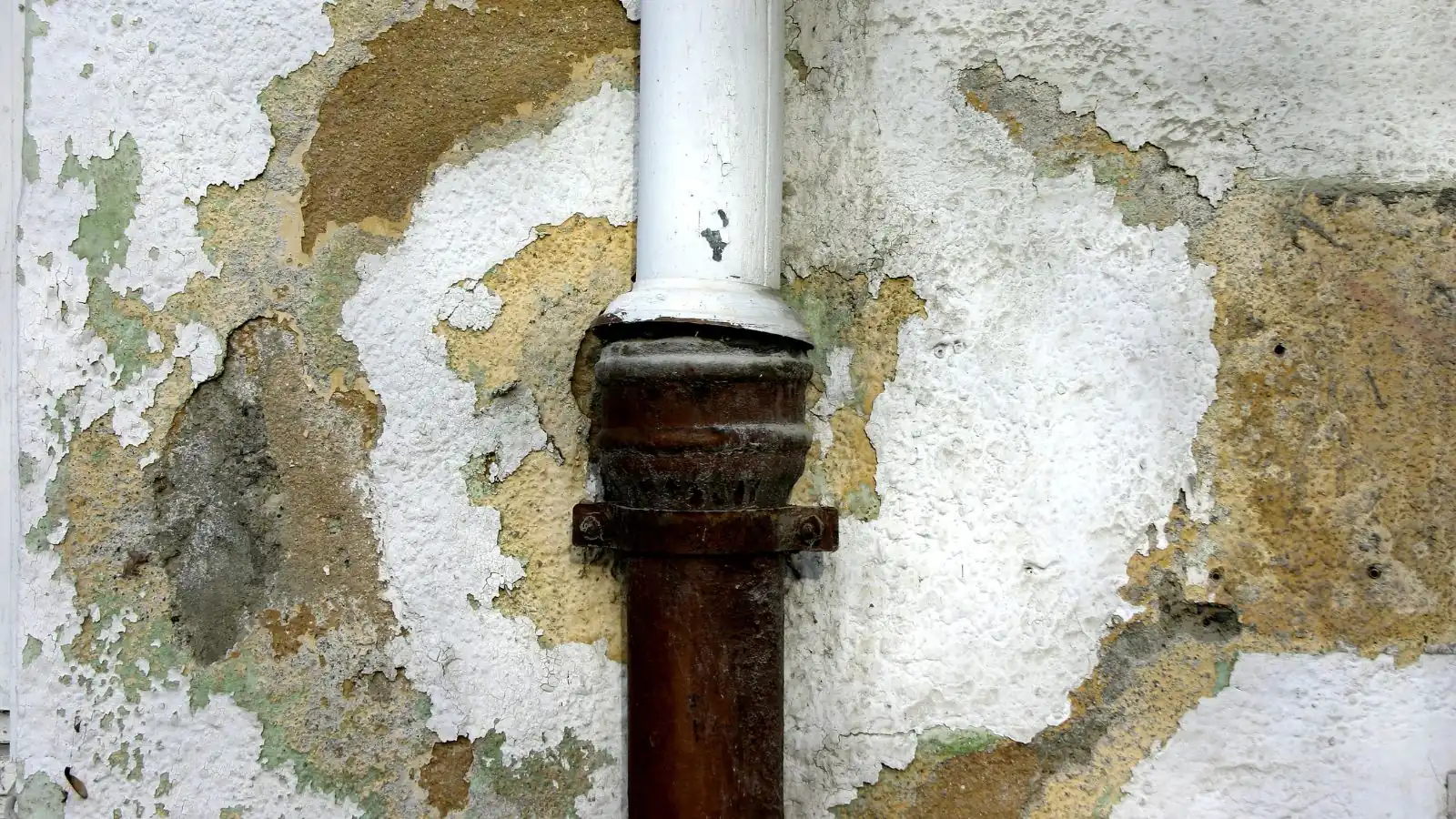
Mold comes in many colors, including black, green, white and orange, and color changes with age and material. A dark spot on grout may be mildew, soil or soap scum. A dark patch on drywall may be mold, or a water stain.
That is why the practical question is not what color it is. It is how big the area is, what material it is on and whether the moisture is still there.
A practical first-day plan
- Stop the moisture source, such as a leak or poor ventilation.
- Keep the bathroom door closed if the area is larger than a small spot.
- Do not scrub, sand or spray the growth, which can spread it.
- Photograph the area with a ruler for scale.
- Call a water damage crew for drying and a licensed assessor for the mold question.
If the material is wet, drying is the first step. See structural drying for how that works.
If the growth is on porous material like drywall or ceiling tile, removal may be needed, and that is where New York licensing comes in. A licensed assessor sets the scope before anything is removed.
How licensing works in New York
| Role | What they do | Notes |
|---|---|---|
| Mold assessor | Inspects, writes protocol, does post-remediation assessment | License required from the Department of Labor |
| Mold remediator | Carries out removal and cleaning | License required, cannot be the same as the assessor on a project |
| Water damage crew | Dries the structure | Fixes the moisture mold needs |
The Department of Labor says a license is required to act as a mold assessor or remediator, the same company cannot do both on a project and a post-remediation assessment is required. Verify any license through the Department's search tool.
There are exceptions, such as for small areas, so check the Department's guidance before hiring. Ask the assessor to explain which rules apply to your job.
Local note: ventilation and older bathrooms
Many older bathrooms in the postwar neighborhoods of North Babylon, including the Parkdale Estates area, were built with small windows or weak fans. If your bathroom has no exhaust fan that vents outside, adding one is often the most effective step. Ask an electrician and the Town Building Department whether a permit is needed.
Where the moisture usually comes from
- Shower steam with no exhaust fan or a fan that vents into the attic.
- A slow leak at the tub spout, valve or drain.
- Cracked grout or caulk behind tile.
- A roof or plumbing leak from above.
Water spreading right now?
Guides are for planning. If water is moving, call the 24/7 line first.
Fixing these is a plumbing or repair job. The drying of any wet wall is a water damage job, as described in wall and drywall repair.
If you are in Deer Park and the bathroom is in a finished basement, the humidity problem may be groundwater. Basement water damage cleanup explains the options.
What not to do
- Do not paint over dark growth without fixing the moisture.
- Do not mix cleaning products.
- Do not run the HVAC fan with the bathroom door open if the growth is large.
- Do not rely on a test kit to decide what to do.
Common questions
Hidden growth and what to look for
Mold can grow behind tile, inside walls and above ceilings, where you cannot see it. Signs include a musty smell, peeling paint, warped drywall and stains that return after cleaning. These point to moisture, which a meter can confirm.
If you see these signs, avoid cutting into the wall yourself. A crew can check moisture first, and an assessor can decide whether mold work is needed.
Questions to ask before you hire
- Can you show me a current New York license and how to verify it?
- Will a separate licensed assessor write the protocol and do the final assessment?
- What containment will be used, and how will it be checked?
- What happens if the moisture source is not fixed?
A reputable professional answers these plainly. If someone offers to both assess and remediate the same project, that conflicts with the New York rule that the two roles must be separate. Get the scope and price in writing before work starts, and keep all documents for your records.
After the work is done
In New York, a post-remediation assessment is part of a mold project, and the assessor and remediator must be separate. Keep the protocol, the assessment report and the invoices. They document what was done.
No one can promise that mold will never return. The best protection is controlling moisture, with ventilation, leak repairs and prompt drying after any water event.
This guide makes no health claims. Ask a physician about health questions and a licensed assessor about your building.
Not before the moisture is fixed and the area is assessed. Paint hides the problem and does not remove it.
An independent assessor decides. A test without a plan often creates more questions.
Use the Department of Labor's Licensed Mold Contractors Search Tool.
Not always. Water stains and soap scum can look similar, and an assessor can tell.
Yes. See Babylon and Brightwaters.